Subscribe to the newsletter
SubscribeCozy Up: The Art of Hand Knitted Sweaters for Every Season
-
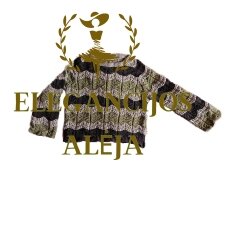
Wrap yourself in warmth and style with hand-knitted sweaters. Discover the art of crafting cozy pieces perfect for every season!
The History of Sweater Knitting
Sweater knitting is an age-old craft that dates back to ancient times, providing warmth and comfort through the intricate process of creating garments. The practice of knitting can be traced to the early Egyptians, where remnants of handmade textiles have been discovered in archaeological sites. These early examples of knitting were not sweaters as we know them today but were essential items like socks and tunics. The art of knitting spread across Europe during the Middle Ages, and by the 14th century, it had become a well-established craft. The development of sophisticated knitting techniques allowed artisans to create more complex patterns and garments, leading to the creation of sweaters.
By the 16th century, knitting had become an integral part of European fashion. The invention of the knitting frame by William Lee in 1589 revolutionized the industry, allowing for faster production of knitted garments. Despite this technological advancement, hand knitting remained a cherished skill, often passed down through generations. Sweaters, originally known as "jerseys," were first popularized by fishermen and laborers who needed durable and warm clothing to protect them from the harsh elements. These early sweaters were typically made from wool and featured simple, utilitarian designs.
The 20th century saw a renaissance in sweater knitting, with the craft gaining popularity as a hobby and a means of self-expression. The iconic Fair Isle and Aran sweaters emerged during this period, each with its distinctive patterns and cultural significance. The rise of the DIY movement in the latter half of the century further fueled the interest in hand-knitted sweaters, with knitters experimenting with new techniques, yarns, and designs. Today, sweater knitting continues to be a beloved pastime, offering a perfect blend of tradition, creativity, and practicality.
Benefits of Hand Knitted Sweaters
Hand-knitted sweaters offer a multitude of benefits that go beyond mere fashion. One of the most significant advantages is the unparalleled warmth they provide. Unlike mass-produced sweaters, hand-knitted ones are crafted with care, using high-quality yarns that offer superior insulation. The attention to detail in the knitting process ensures that each stitch contributes to the overall warmth and comfort of the garment. This makes hand-knitted sweaters ideal for cold weather, providing a cozy barrier against the chill.
In addition to warmth, hand-knitted sweaters offer a level of customization that is simply not possible with store-bought options. When knitting a sweater by hand, you have complete control over the choice of yarn, color, pattern, and fit. This allows you to create a garment that is perfectly tailored to your preferences and body shape. Whether you prefer a loose, oversized fit or a more form-fitting design, hand knitting gives you the flexibility to achieve the exact look and feel you desire. This level of personalization adds a unique touch to your wardrobe, making each sweater a one-of-a-kind piece.
Another significant benefit of hand-knitted sweaters is their sustainability. In an era where fast fashion dominates, hand knitting offers a more eco-friendly alternative. By choosing to knit your sweaters, you can select sustainable and ethically sourced yarns, reducing your environmental impact. Moreover, hand-knitted garments tend to be more durable and long-lasting, as they are made with meticulous care and attention to detail. This means that your hand-knitted sweater can be a cherished item in your wardrobe for years to come, reducing the need for frequent replacements and contributing to a more sustainable fashion industry.
Choosing the Right Yarn for Every Season
Selecting the right yarn is crucial for creating a hand-knitted sweater that is suitable for the specific season. The type of yarn you choose will determine the warmth, comfort, and overall feel of the garment. For winter sweaters, wool is the go-to choice due to its excellent insulation properties. Wool yarns, such as Merino, Shetland, and alpaca, are known for their ability to trap heat, keeping you warm even in the coldest temperatures. Additionally, wool is breathable and moisture-wicking, making it an ideal choice for winter wear.
As the weather transitions to spring, it's essential to opt for lighter yarns that offer breathability and comfort. Cotton yarn is a popular choice for spring sweaters, as it is soft, lightweight, and breathable. Cotton fibers allow for better air circulation, preventing overheating and ensuring comfort during milder temperatures. Another excellent option for spring is bamboo yarn, which is known for its silky texture and moisture-wicking properties. Bamboo yarn is also hypoallergenic, making it suitable for those with sensitive skin.
For summer sweaters, it's crucial to choose yarns that are lightweight and breathable. Linen yarn is an excellent choice for summer knitting, as it is cool to the touch and has natural moisture-wicking properties. Linen fibers are also incredibly durable, ensuring that your summer sweater will withstand frequent wear. Another great option for summer is a blend of cotton and bamboo yarn, which combines the best qualities of both fibers. This blend offers a soft, lightweight, and breathable fabric that is perfect for warm weather.
As fall approaches, it's time to transition back to warmer yarns that provide insulation without being too heavy. Blended yarns, such as wool and cotton or wool and silk, offer a perfect balance of warmth and breathability. These blends provide the necessary insulation for cooler temperatures while ensuring comfort and softness. Another excellent option for fall is alpaca yarn, which is known for its lightweight yet warm properties. Alpaca fibers are incredibly soft and hypoallergenic, making them ideal for cozy fall sweaters.
Popular Sweater Patterns and Styles
The world of hand-knitted sweaters is rich with diverse patterns and styles, each offering its unique charm and appeal. One of the most iconic sweater patterns is the Fair Isle, characterized by its intricate colorwork and geometric designs. Originating from the Fair Isle in Scotland, this pattern typically features multiple colors and motifs such as stars, diamonds, and crosses. Fair Isle sweaters are renowned for their beauty and complexity, making them a favorite among experienced knitters. The vibrant patterns and color combinations add a touch of whimsy and tradition to any wardrobe.
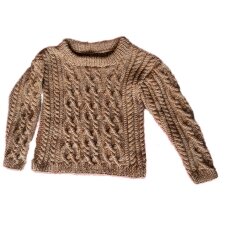
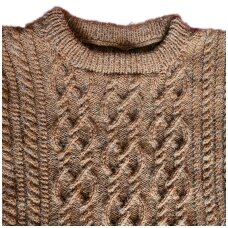
Another beloved sweater style is the Aran sweater, which hails from the Aran Islands off the coast of Ireland. Aran sweaters are known for their distinctive cable patterns, which are said to symbolize the ropes and fishing nets used by the island's fishermen. These sweaters often feature a combination of cables, diamond shapes, and honeycomb patterns, creating a textured and visually appealing design. Aran sweaters are typically made from undyed wool, giving them a natural and rustic appearance. The intricate patterns and rich history of Aran knitting make these sweaters a timeless classic.
In addition to traditional patterns, modern sweater styles have gained popularity in recent years, offering a fresh take on classic designs. One such style is the oversized sweater, which provides a relaxed and comfortable fit. Oversized sweaters are perfect for layering and can be easily dressed up or down, making them versatile wardrobe staples. Another contemporary trend is the cropped sweater, which features a shorter length that pairs well with high-waisted pants and skirts. Cropped sweaters add a modern and youthful touch to any outfit, making them a popular choice among fashion-forward knitters.
The raglan sweater is another popular style that has stood the test of time. Raglan sweaters are characterized by their diagonal seam lines that extend from the neckline to the underarm, creating a distinctive and flattering fit. This style is versatile and can be adapted to various sleeve lengths and necklines, making it suitable for any season. The seamless construction of raglan sweaters also ensures a comfortable and smooth finish, making them a favorite among knitters of all skill levels.
Essential Knitting Techniques for Sweater Making
Mastering essential knitting techniques is crucial for creating a well-crafted hand-knitted sweater. One of the fundamental techniques is the knit stitch, which forms the basis of most knitting patterns. The knit stitch is created by inserting the right needle into the front of the stitch on the left needle, wrapping the yarn around the right needle, and pulling the loop through to create a new stitch. This simple yet versatile stitch can be used to create a variety of textures and patterns, making it a staple in sweater knitting.
Another essential technique is the purl stitch, which is often used in combination with the knit stitch to create different textures and patterns. The purl stitch is worked by inserting the right needle into the front of the stitch on the left needle, wrapping the yarn around the right needle, and pulling the loop through to create a new stitch. When alternating rows of knit and purl stitches, you can create the classic stockinette stitch, which is smooth on one side and textured on the other. This technique is commonly used in sweater knitting for a clean and polished finish.
In addition to basic stitches, understanding how to increase and decrease stitches is crucial for shaping your sweater. Increases can be made using techniques such as the yarn over (YO) or the make one (M1) stitch. The yarn over technique involves wrapping the yarn around the needle to create a new stitch, while the make one stitch involves lifting the strand between two stitches and knitting into it. Decreases can be achieved using techniques such as knit two together (K2tog) or slip, slip, knit (SSK). These techniques help shape the neckline, armholes, and other parts of the sweater, ensuring a well-fitting garment.
Another important technique for sweater knitting is picking up stitches, which is often used for adding collars, button bands, or finishing edges. Picking up stitches involves inserting the needle into the edge of the fabric and drawing the yarn through to create new stitches. This technique ensures a seamless and professional finish, adding to the overall appearance of the sweater. Understanding these essential knitting techniques will provide you with the skills needed to create beautifully crafted hand-knitted sweaters.
Seasonal Color Trends in Sweater Knitting
Keeping up with seasonal color trends can add a modern and fashionable touch to your hand-knitted sweaters. Each season brings its palette of colors that reflect the mood and atmosphere of the time. For winter, rich and deep hues such as burgundy, navy, and forest green are popular choices. These colors evoke a sense of warmth and coziness, perfectly complementing the cold weather. Additionally, classic neutrals like charcoal, cream, and taupe remain timeless options for winter sweaters, providing a versatile and sophisticated look.
As the season transitions to spring, lighter and more vibrant colors come into play. Pastel shades such as lavender, mint, and blush pink are popular choices for spring sweaters, adding a fresh and airy feel to your wardrobe. These soft hues reflect the blooming flowers and new growth of the season, creating a cheerful and optimistic vibe. Additionally, bright and bold colors like coral, turquoise, and lemon yellow can add a playful and energetic touch to your spring knitting projects.
For summer, light and breezy colors take center stage, reflecting the sunny and relaxed atmosphere of the season. Shades like white, ivory, and beige are popular choices for summer sweaters, providing a clean and crisp look. Additionally, cool and refreshing colors like aqua, sky blue, and seafoam green can evoke a sense of tranquility and relaxation. These colors are perfect for lightweight summer sweaters, adding a touch of elegance and sophistication to your warm-weather wardrobe.
As fall approaches, earthy and warm tones become popular choices for sweater knitting. Colors like rust, mustard, and olive green reflect the changing leaves and cozy atmosphere of the season. These rich and warm hues add a touch of comfort and nostalgia to your fall knitting projects. Additionally, jewel tones like deep purple, sapphire blue, and ruby red can add a touch of luxury and sophistication to your fall sweaters, making them perfect for both casual and dressy occasions.
Caring for Your Hand Knitted Sweaters
Proper care and maintenance are essential for preserving the beauty and longevity of your hand-knitted sweaters. The delicate nature of hand-knitted garments requires special attention to ensure they remain in excellent condition. One of the most important aspects of caring for your sweaters is washing them correctly. Hand-knitted sweaters should be washed by hand using a gentle detergent specifically designed for wool or delicate fabrics. Fill a basin with lukewarm water and add the detergent, then gently submerge the sweater and swish it around to remove dirt and oils. Avoid wringing or twisting the sweater, as this can cause it to lose its shape.
After washing, it's crucial to rinse the sweater thoroughly to remove any detergent residue. Fill the basin with clean, lukewarm water and gently swish the sweater around. Repeat this process until the water runs clear, indicating that all the detergent has been removed. To remove excess water, gently press the sweater between clean towels, being careful not to stretch or distort the fabric. Lay the sweater flat on a dry towel and reshape it to its original dimensions. Allow it to air dry completely, avoiding direct sunlight or heat sources, as these can cause the fibers to become brittle and fade.
In addition to washing, proper storage is essential for maintaining the quality of your hand-knitted sweaters. Store your sweaters in a cool, dry place away from direct sunlight. Avoid hanging them, as this can cause the fabric to stretch and lose its shape. Instead, fold your sweaters neatly and place them in a drawer or on a shelf. To prevent moth damage, consider using cedar blocks or lavender sachets, which naturally repel moths and other insects. Regularly check your sweaters for signs of wear or damage, and address any issues promptly to prevent further deterioration.
Another important aspect of sweater care is addressing pilling, which is the formation of small, fuzzy balls on the surface of the fabric. Pilling is a common issue with hand-knitted sweaters, especially those made from natural fibers like wool. To remove pills, use a fabric shaver or a sweater comb, gently gliding it over the surface of the sweater to remove the pills without damaging the fabric. Regularly removing pills will help maintain the appearance and texture of your hand-knitted sweaters, ensuring they look beautiful and well-kept for years to come.
How to Personalize Your Sweater Designs
One of the most rewarding aspects of hand-knitting sweaters is the ability to personalize your designs, making each garment uniquely yours. Customizing your sweater allows you to express your creativity and showcase your individual style. One way to personalize your sweater is by experimenting with different color combinations. Whether you prefer bold and vibrant hues or subtle and muted tones, choosing the right colors can add a unique touch to your design. Consider using color-blocking techniques or incorporating stripes, gradients, or fair isle patterns to create a visually striking and personalized sweater.
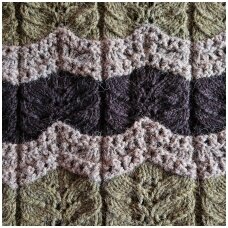
Another way to add a personal touch to your sweater is by incorporating unique stitch patterns and textures. Experiment with different knitting techniques such as cables, lace, or bobbles to create interesting and intricate designs. These textured elements can add depth and dimension to your sweater, making it stand out from the crowd. Additionally, consider adding decorative elements such as embroidery, appliques, or beads to further enhance your design. These embellishments can add a touch of whimsy and individuality to your hand-knitted sweater.
Customizing the fit and shape of your sweater is another way to make it uniquely yours. When knitting your sweater, take accurate measurements and adjust the pattern to ensure a perfect fit. Consider modifying the length of the body or sleeves, adjusting the neckline, or shaping the waist for a more tailored look. You can also experiment with different sleeve styles, such as bell sleeves, balloon sleeves, or fitted sleeves, to create a design that reflects your personal style. By customizing the fit and shape of your sweater, you can create a garment that is not only beautiful but also comfortable and flattering.
Personalizing your sweater can also extend to adding meaningful details that reflect your personality or interests. Consider incorporating motifs or symbols that hold special significance to you, such as a favorite animal, flower, or geometric design. These personalized elements can add a sentimental touch to your sweater, making it truly one-of-a-kind. Additionally, consider adding a custom label or tag with your name or a special message, adding a final touch of personalization to your hand-knitted creation.
Conclusion: Embracing the Cozy Craft of Knitting
In conclusion, the art of hand-knitted sweaters is a timeless and rewarding craft that offers a perfect blend of tradition, creativity, and practicality. From the rich history of sweater knitting to the benefits of creating customized garments, the world of hand-knitted sweaters is filled with endless possibilities. Choosing the right yarn for each season, exploring popular patterns and styles, and mastering essential knitting techniques are all crucial aspects of creating beautiful and functional sweaters. Staying up-to-date with seasonal color trends and learning how to care for your hand-knitted garments will ensure they remain in excellent condition for years to come.
Personalizing your sweater designs allows you to express your creativity and individuality, making each garment uniquely yours. Whether you choose to experiment with colors, stitch patterns, or decorative elements, adding a personal touch to your sweater will make it a cherished item in your wardrobe. Embracing the cozy craft of knitting not only provides a sense of accomplishment and relaxation but also allows you to create beautiful and meaningful garments that can be enjoyed for generations.
So, cozy up with your knitting needles and yarn, and embark on the delightful journey of hand-knitted sweaters. Whether you're a seasoned knitter or just starting, the art of sweater knitting offers endless opportunities for creativity and self-expression. With each stitch, you'll create not only a warm and stylish garment but also a lasting piece of art that reflects your passion and skill. Happy knitting!

 .
.