Subscribe to the newsletter
SubscribeKnitting with needles. Basic stitches for creating a knitting pattern.
-

Knitting tutorials. Knitting stitches in patterns.
Two stitches knitted together through the back loop
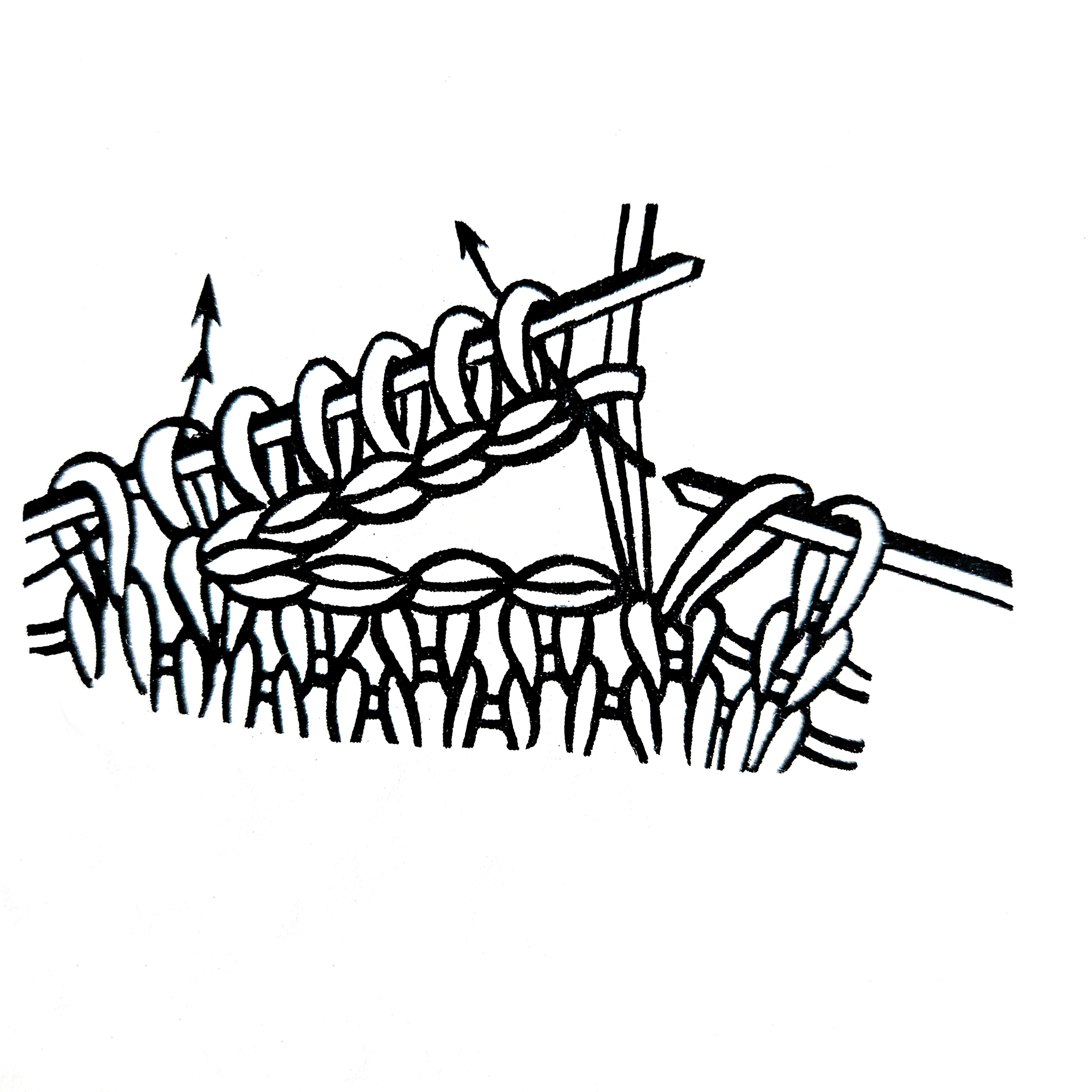
Two stitches are knitted together through the back loop (i.e., you knit two stitches together using the knit stitch, inserting the needle into the back leg of the stitches). The right needle is inserted through both stitches in the knitting direction. The working yarn remains on the opposite side of the fabric. In this way, you can knit 3, 5, or more stitches together.
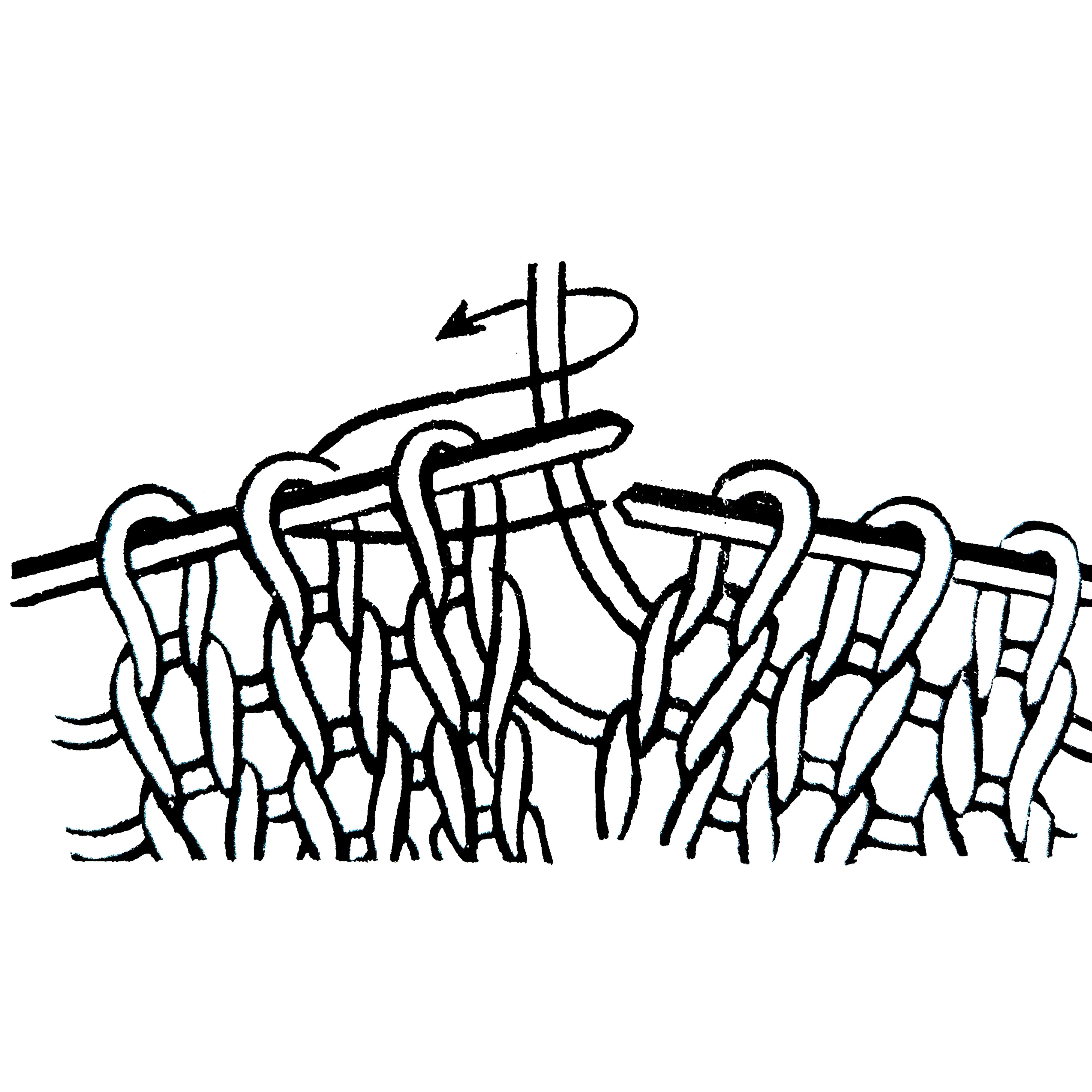
Two stitches knitted together from the top.
2 stitches knitted together from the top (i.e., 2 stitches are knitted together with a knit stitch, inserting the needle into the upper leg of the stitch). The right needle is inserted through both stitches *against* the knitting direction. In this way, it is possible to knit 3, 5, or more stitches together.
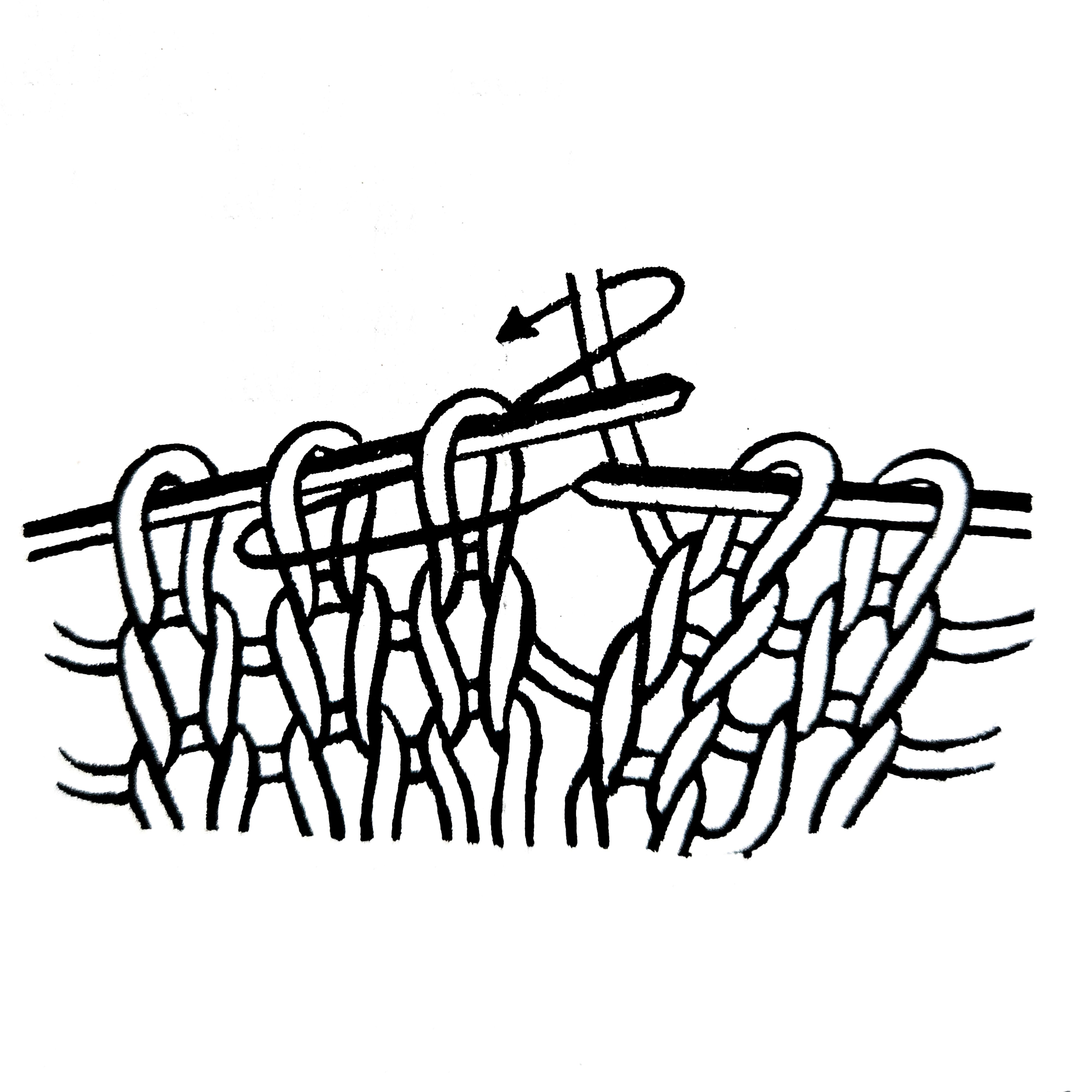
Two stitches knitted together from the top, with the second stitch twisted beforehand.
2 stitches knitted together with a knit stitch, with the second stitch twisted beforehand. The twisted stitch does not cross.
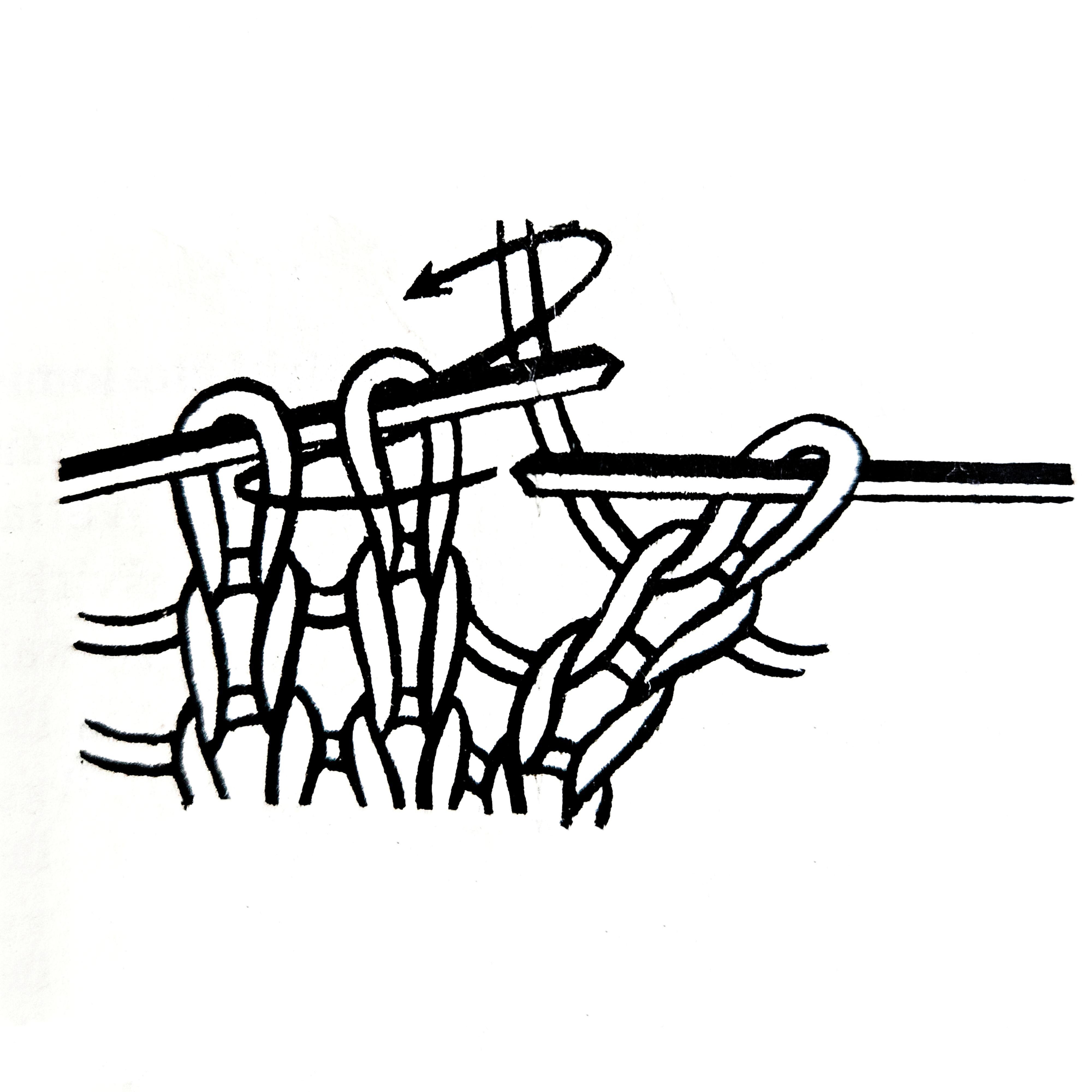
Two stitches purled together.
2 stitches purled together, i.e., 2 stitches are worked together with a purl stitch.
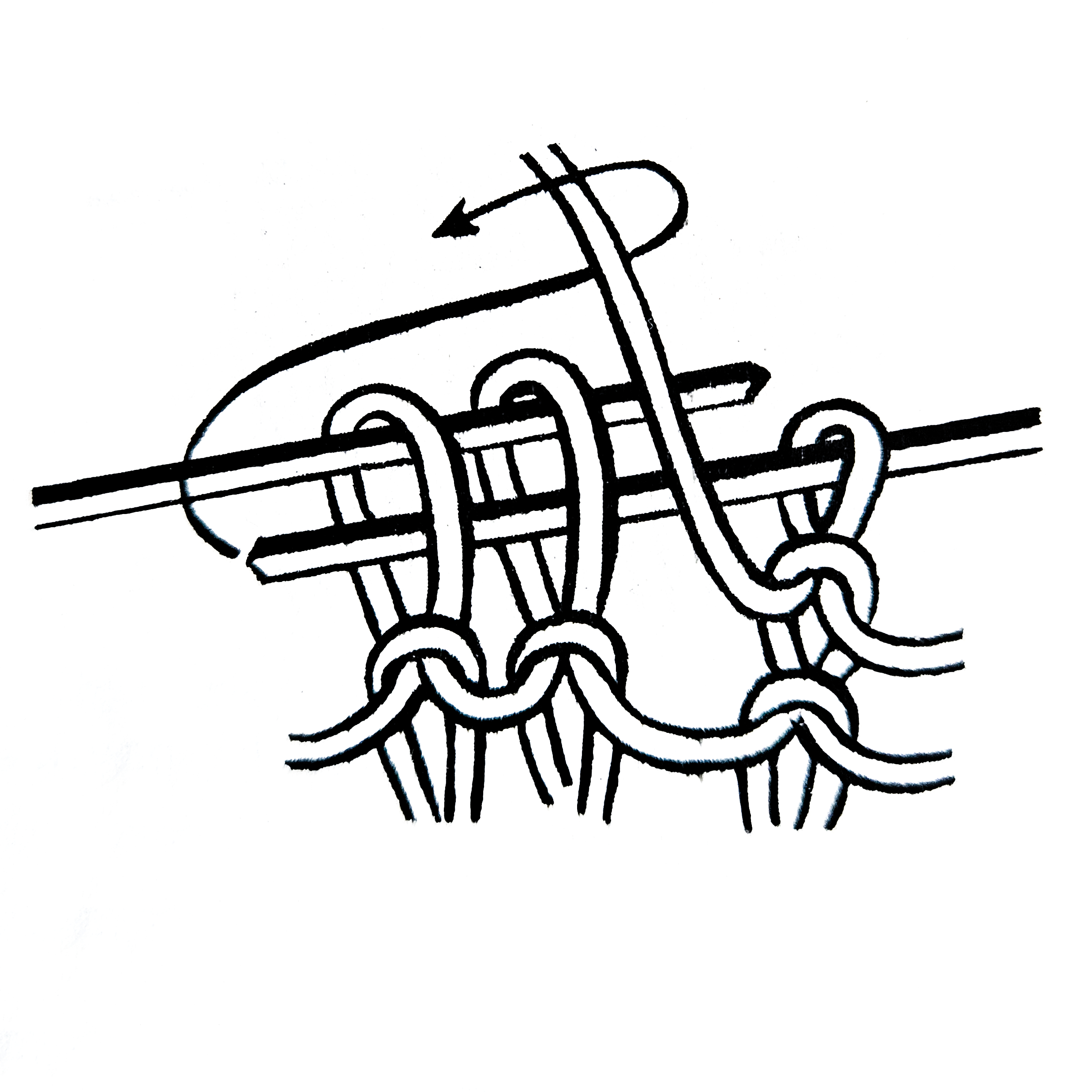
Two stitches purled together through the back loop.
2 stitches purled together through the back loop. The right needle is inserted into those stitches against the knitting direction.
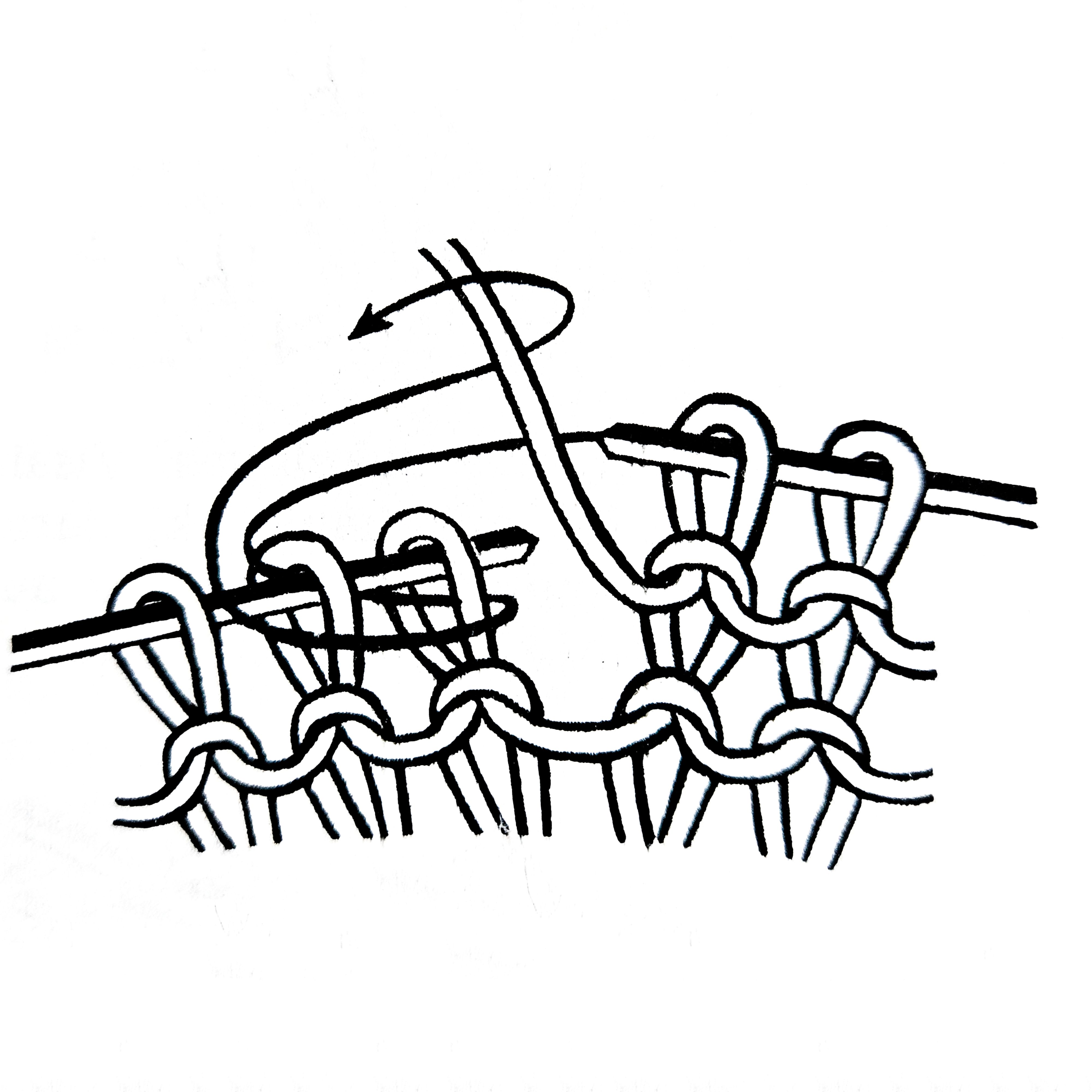
A simple yarn over.
A simple yarn over, or simply a yarn over.
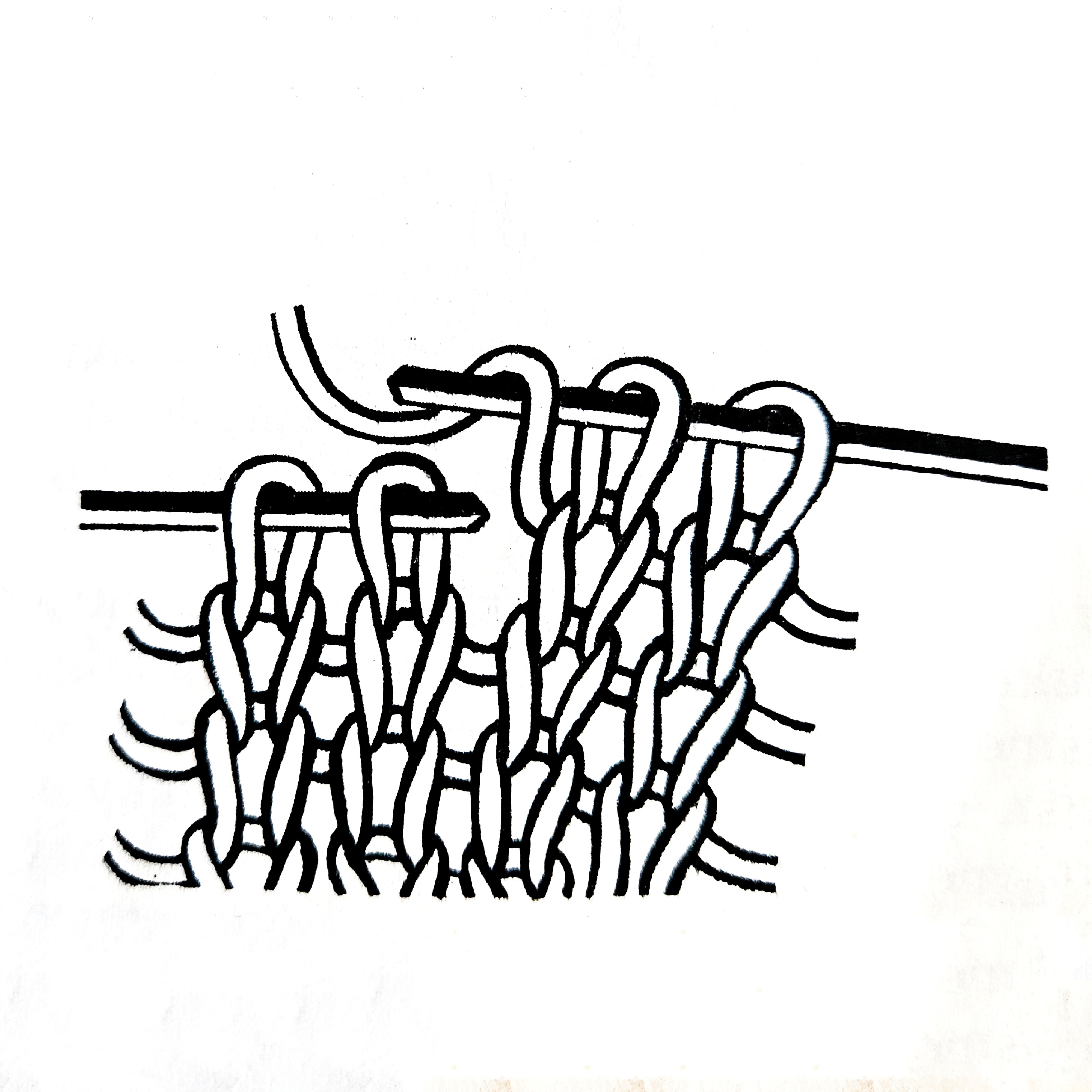
A reverse yarn over.
A reverse yarn over.
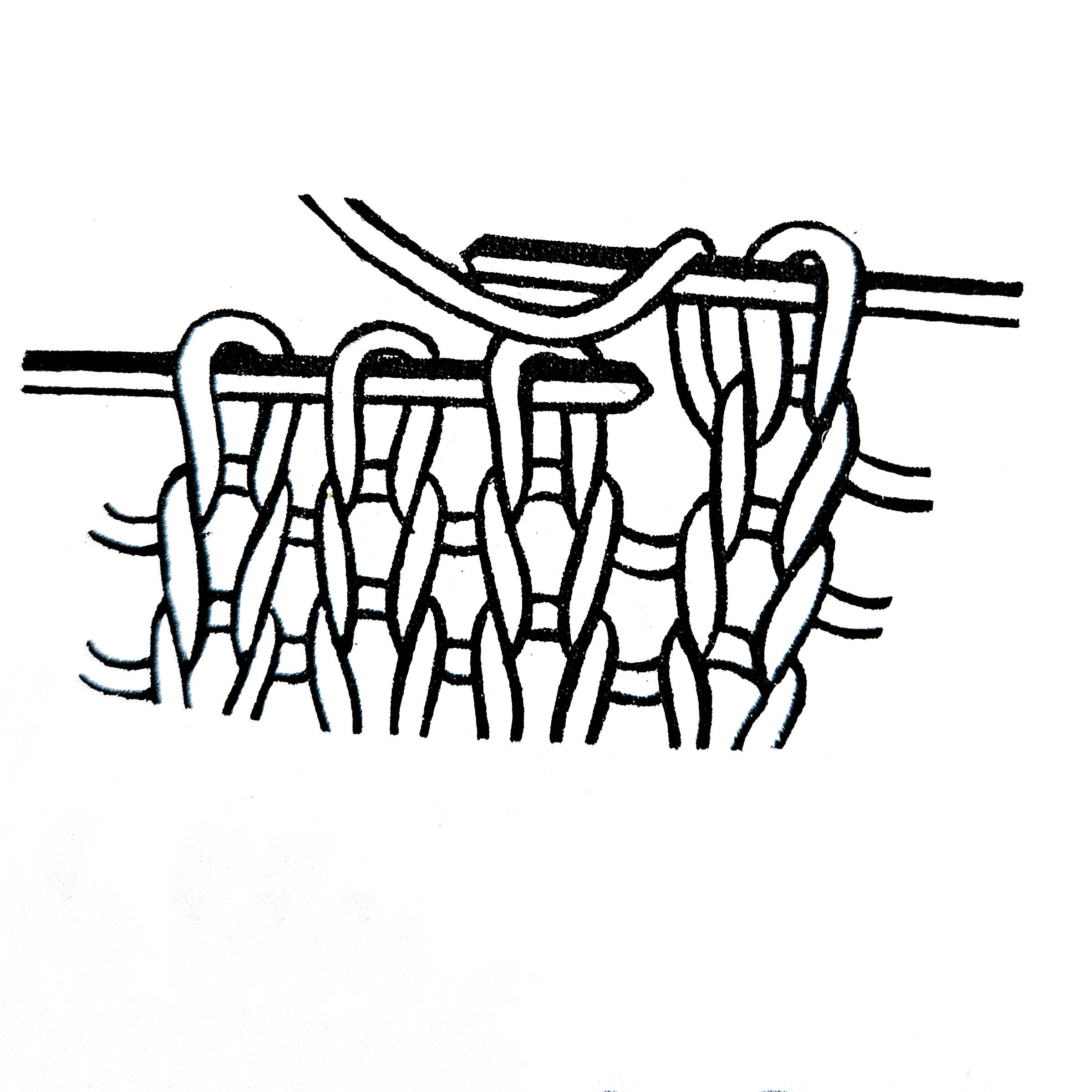
One yarn over, one stitch slipped.
1 yarn over, 1 stitch slipped. In all cases where a yarn over is made before the slipped stitch, the working yarn remains behind the needle at the slipped stitch.
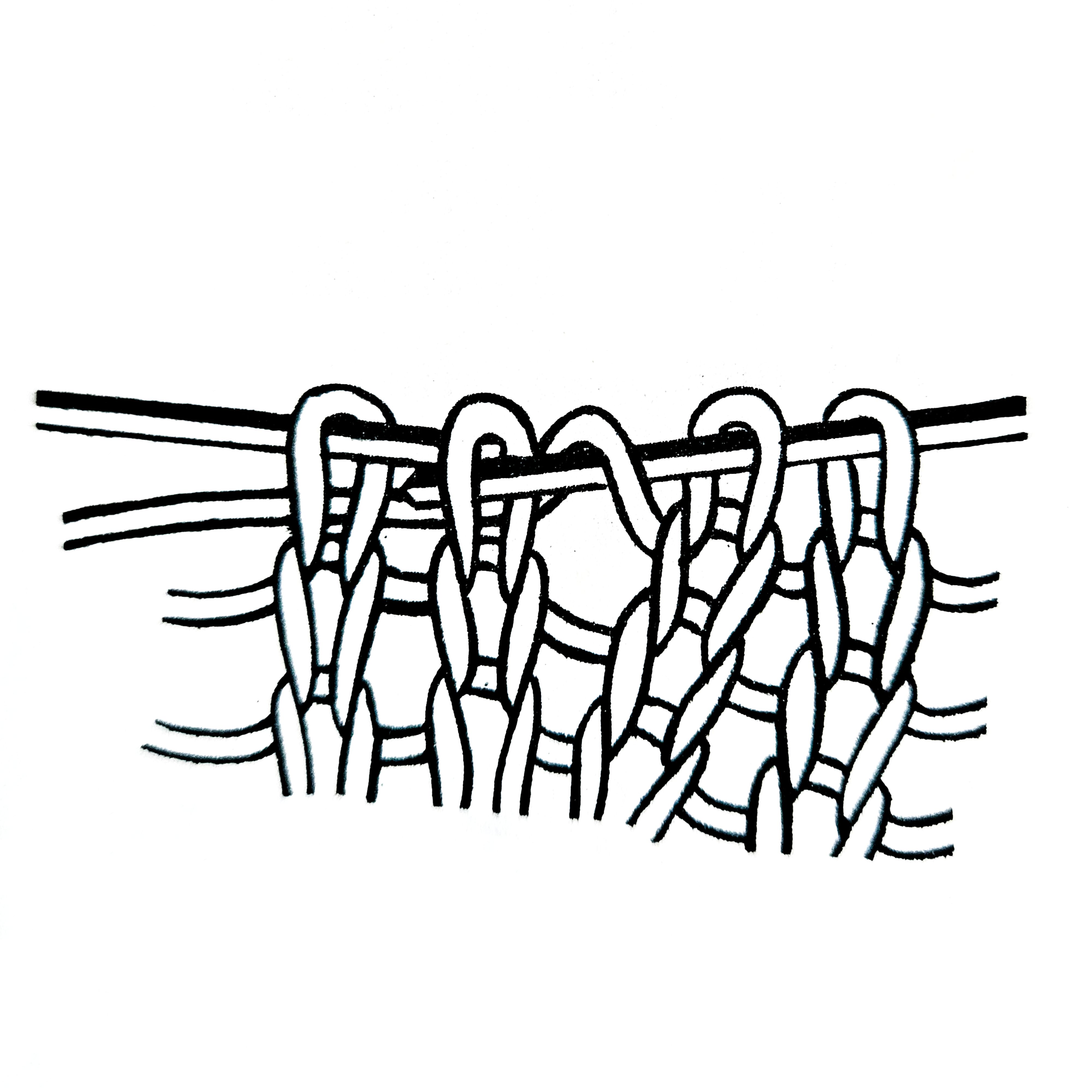
Two stitches, while being knitted with knit stitches, are crossed (their positions are exchanged).
2 stitches, while being knitted with knit stitches, are crossed. The right needle goes behind the first stitch, is inserted into the second stitch, catching it through the back leg, and a knit stitch is drawn out. Then both stitches are slipped off the left needle: the second stitch (the one just knitted) remains on the right needle, and the first stitch (the free one) stays at the front of the work. Then the first stitch is placed back onto the left needle and also knitted.
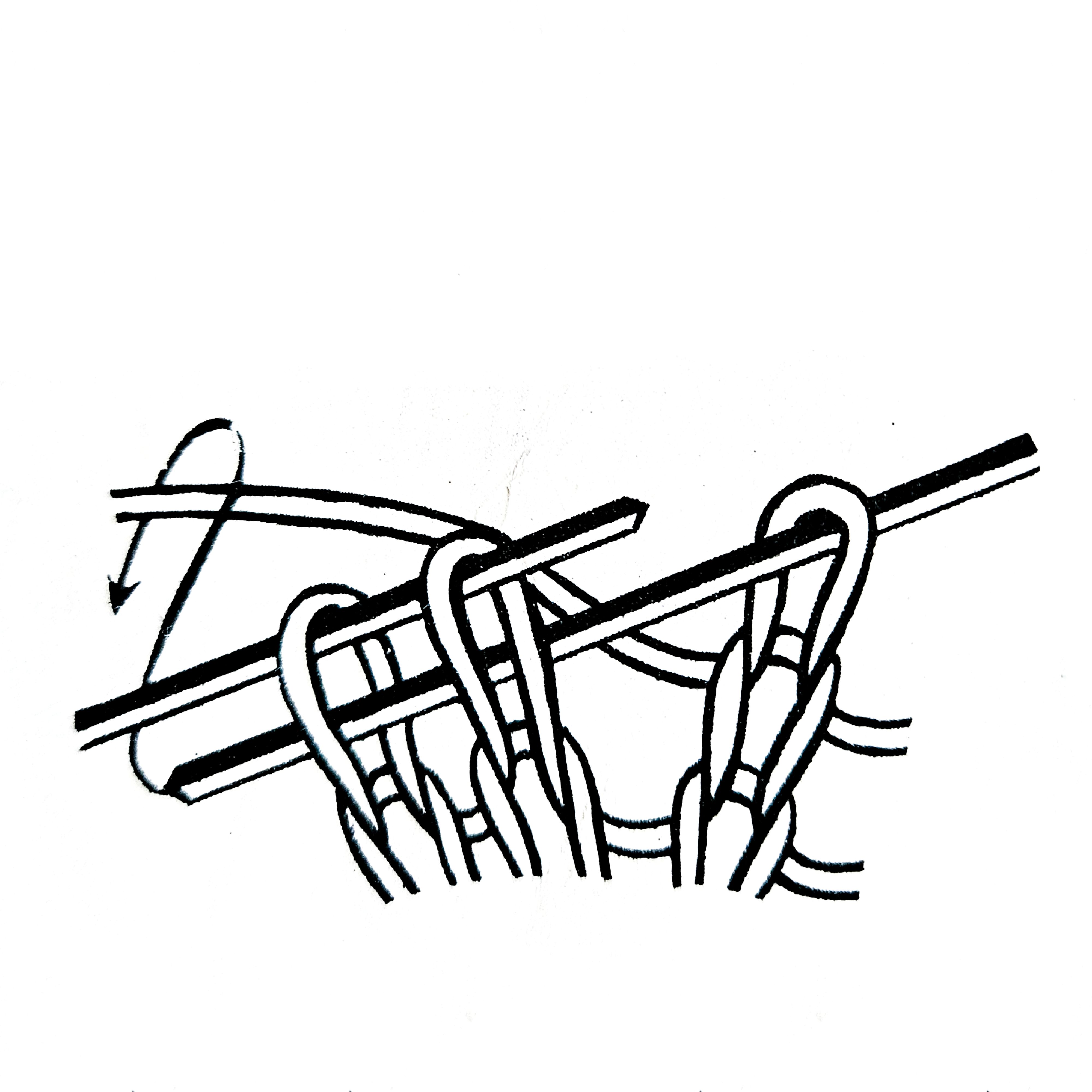
Two stitches, while being knitted with knit stitches, are crossed (their positions are exchanged).
2 stitches, while being knitted with knit stitches, are crossed. The right needle goes in front of the first stitch, is inserted into the second stitch, catching it through theback leg, and a knit stitch is drawn out, longer than usual. Then, without slipping the knitted stitch off the left needle, the first stitch is also knitted. Only then are both stitches slipped off the left needle.
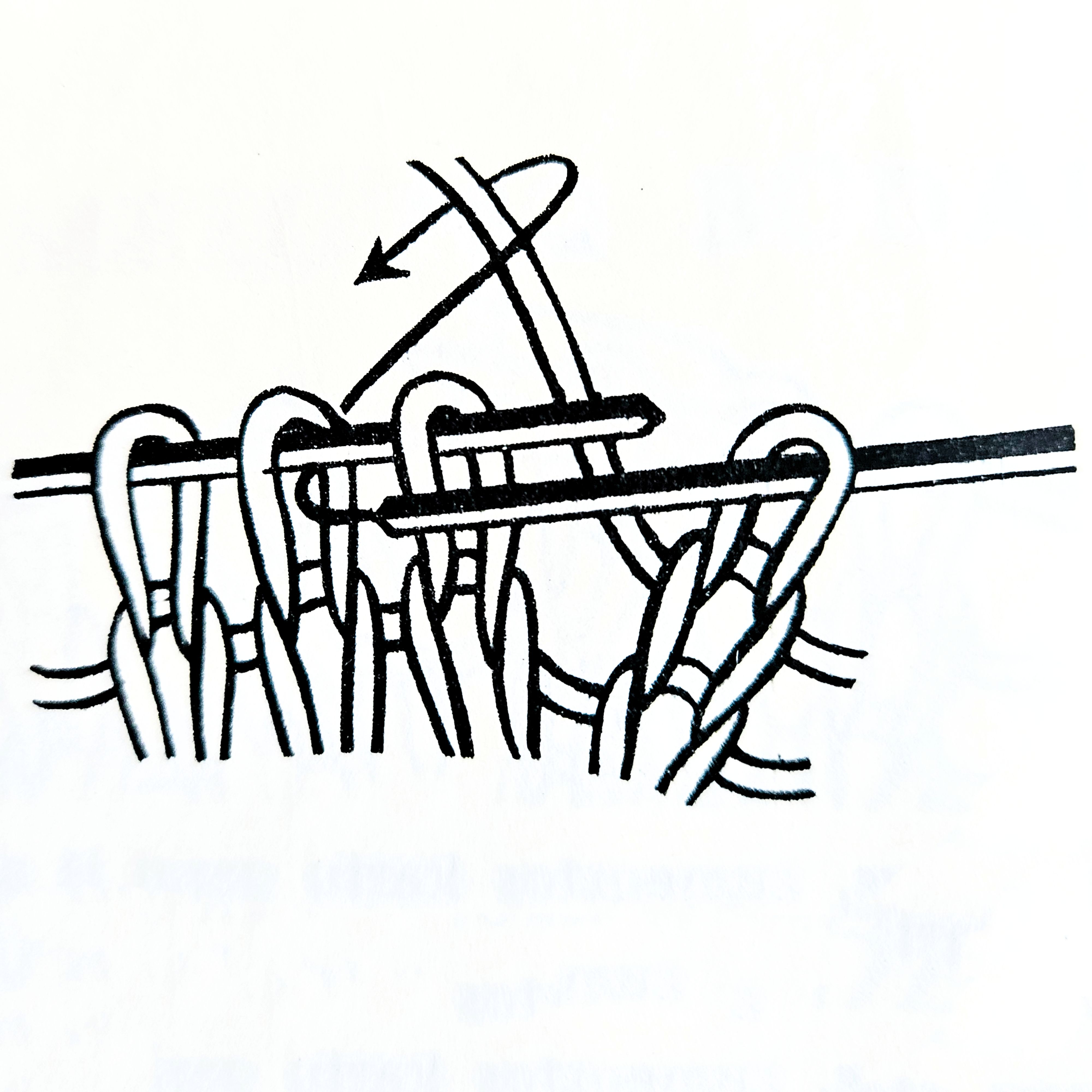
Two stitches, while being purled, are crossed (their positions are exchanged).
2 stitches, while being purled, are crossed. The right needle goes in front of the first stitch, is inserted into the second stitch, which is purled. Then both stitches are slipped off the left needle. The second stitch (the one just purled) remains on the right needle, and the first stitch (the free one) stays behind the needle. It is placed back onto the left needle and also purled.
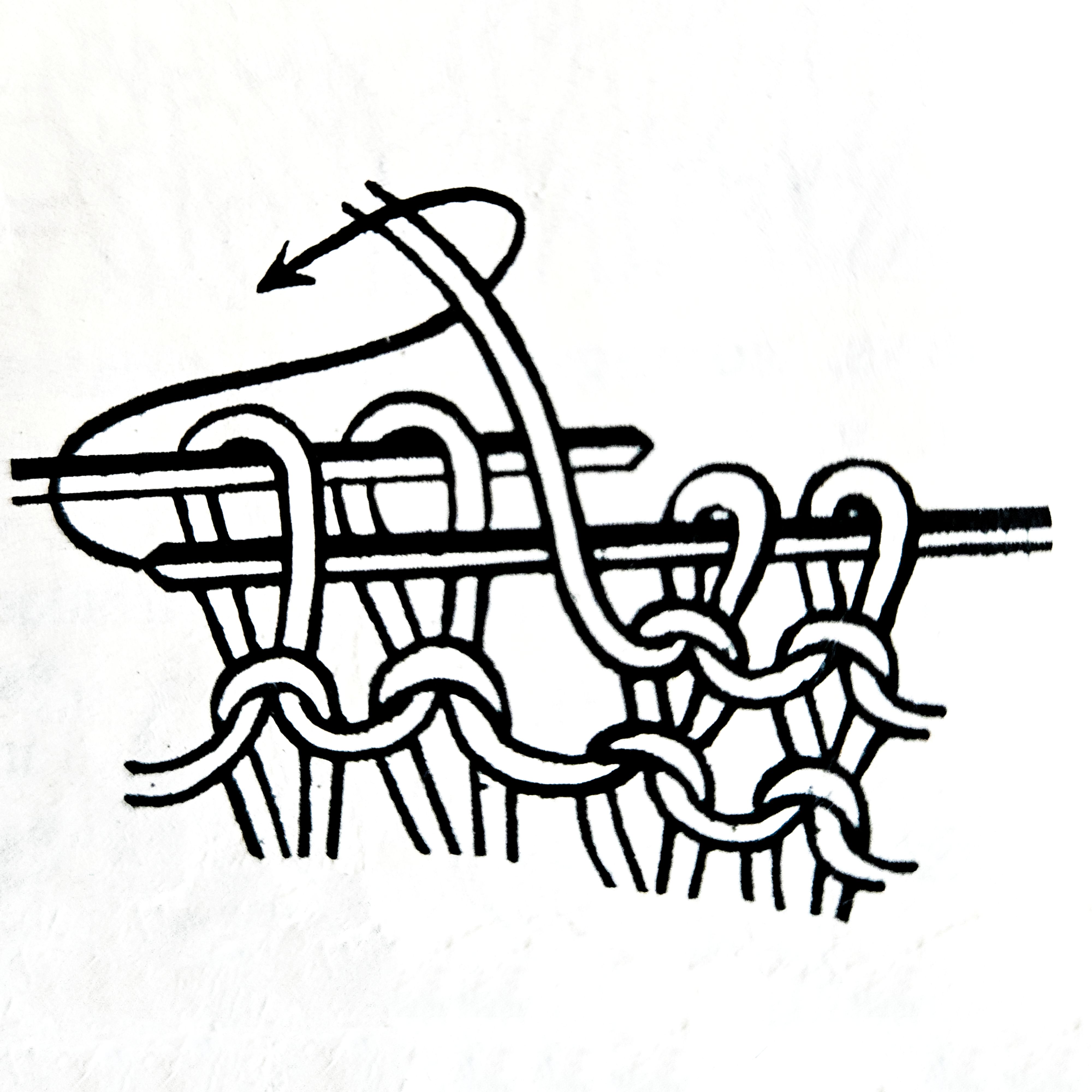
Two stitches, while being purled, are crossed (their positions are exchanged).
2 stitches, while being purled, are crossed. The right needle goes behind the first stitch, is inserted into the second stitch, which is purled, drawing out a longer-than-usual stitch. Then, without removing the purled stitch from the left needle, the first stitch is also purled. Only then are both stitches slipped off the left needle.
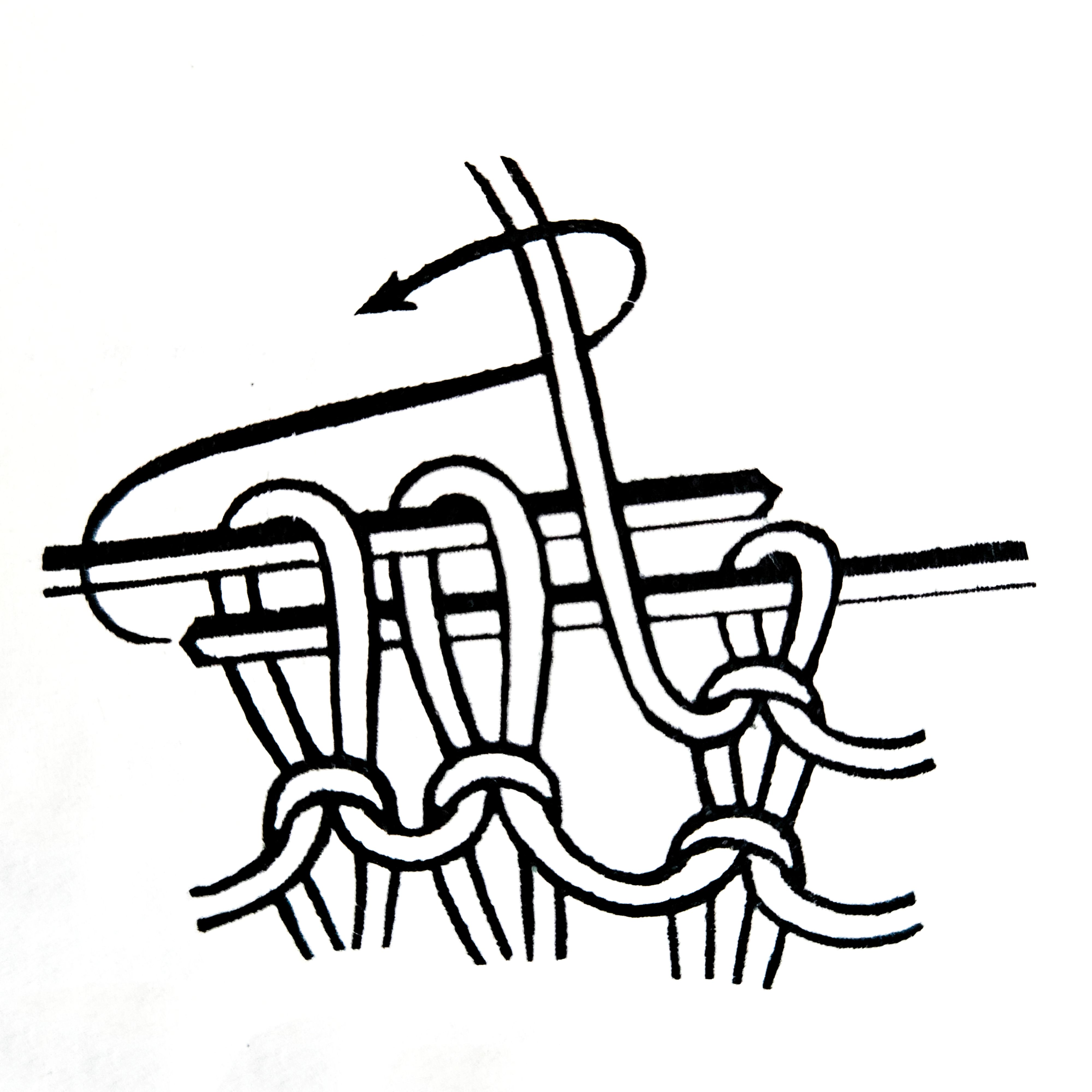
Three stitches (1 purl and 2 knit) are crossed to the right.
3 stitches (1 purl and 2 knit) are crossed to the right. They are rearranged so that the 2 knit stitches come first (on top). After rearranging, the knit stitches are worked knitwise, and the purl stitch is worked purlwise.
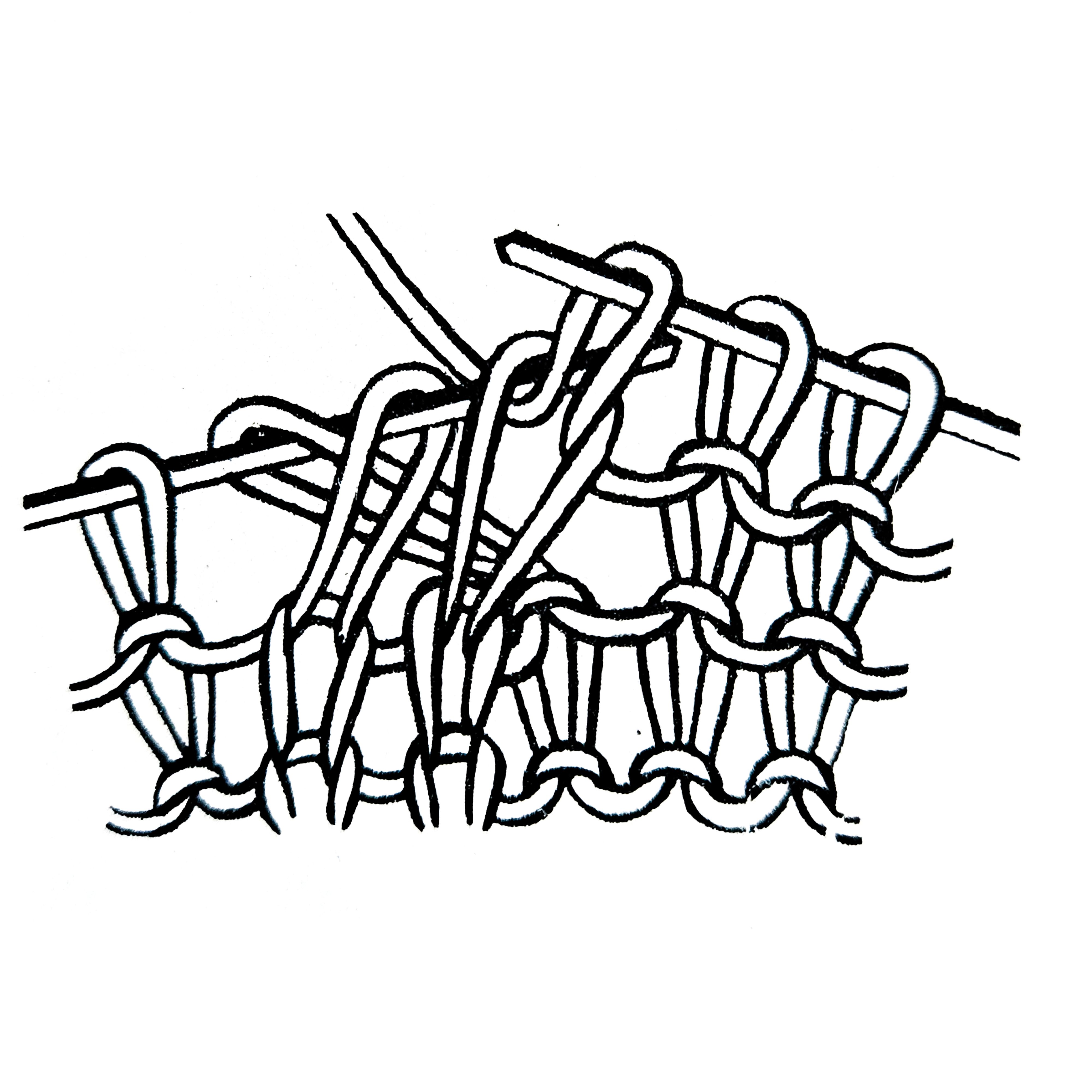
Three stitches (2 knit and 1 purl) are crossed to the left.
3 stitches (2 knit and 1 purl) are crossed to the left. They are rearranged so that the 2 knit stitches are in the second position, with the purl stitch on top. After rearranging, the purl stitch is worked purlwise, and the knit stitches are worked knitwise.
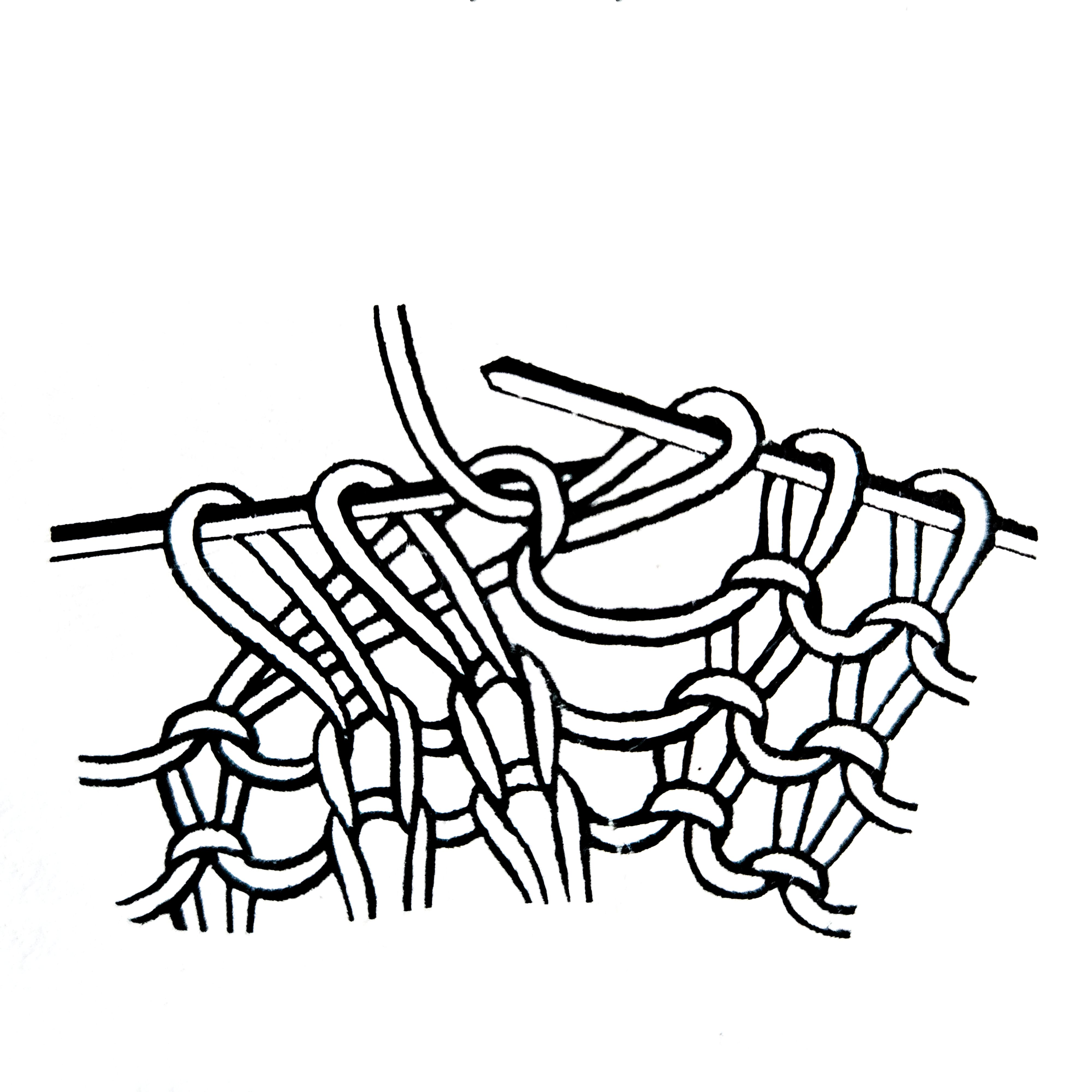
Two stitches are exchanged, with the second stitch on top.
2 stitches are exchanged, with the second stitch on top.
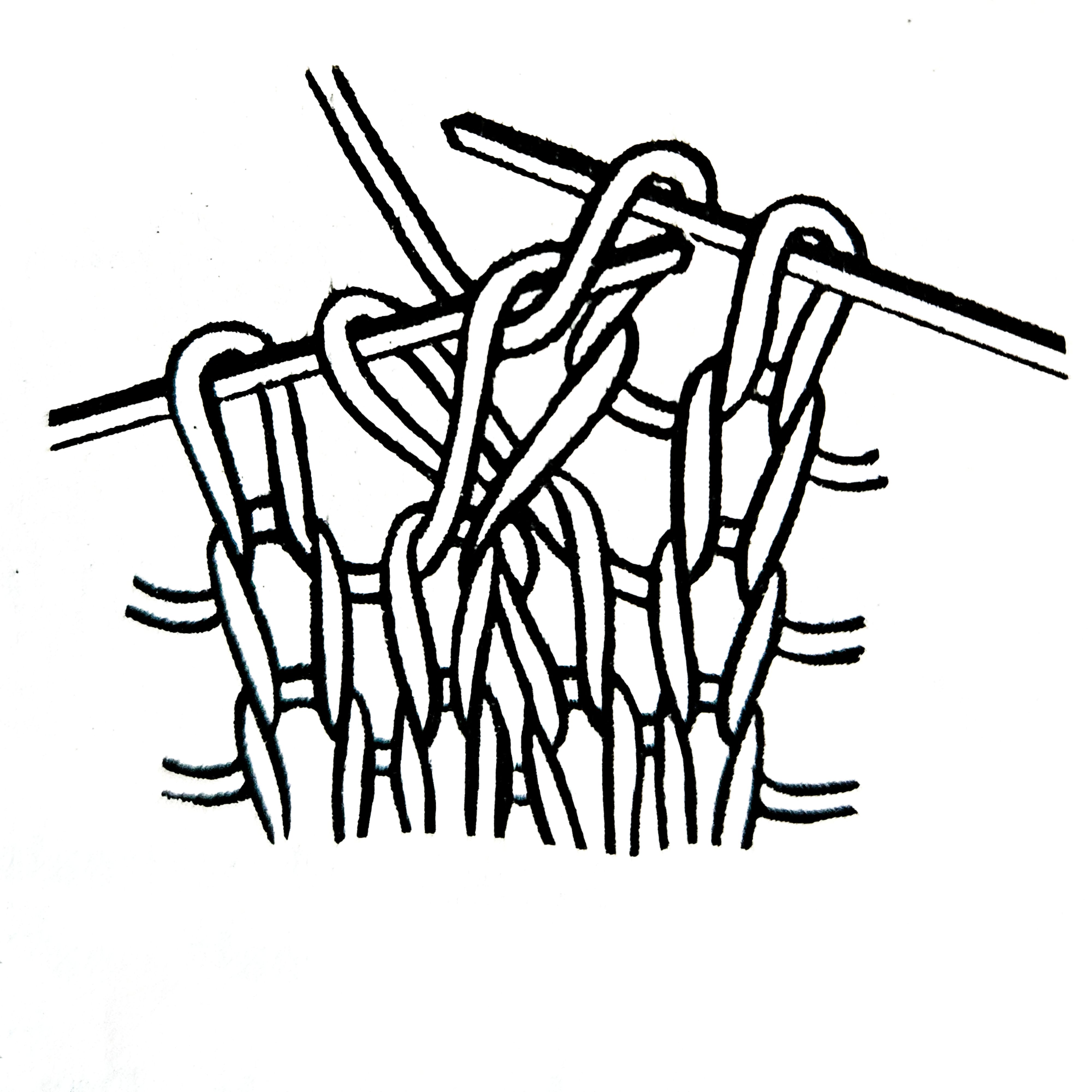
Two stitches are exchanged, with the first stitch on top.
2 stitches are exchanged, with the first stitch on top.
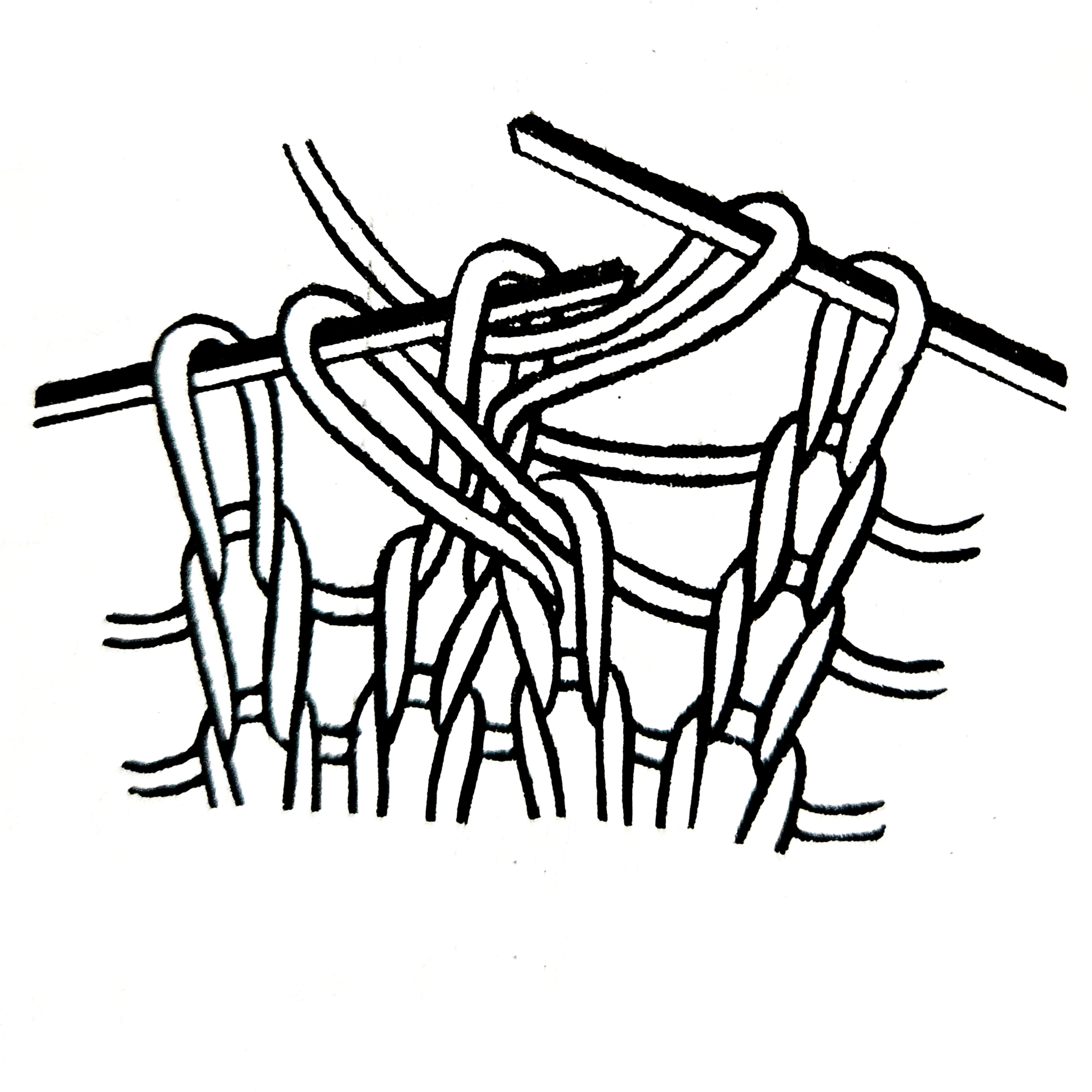
Stitch increase on the right side of the raglan “line”.
Stitch increase on the right side of the raglan “line”. With the left needle, the strand connecting the two stitches of the previous row is picked up and knitted through the back leg.
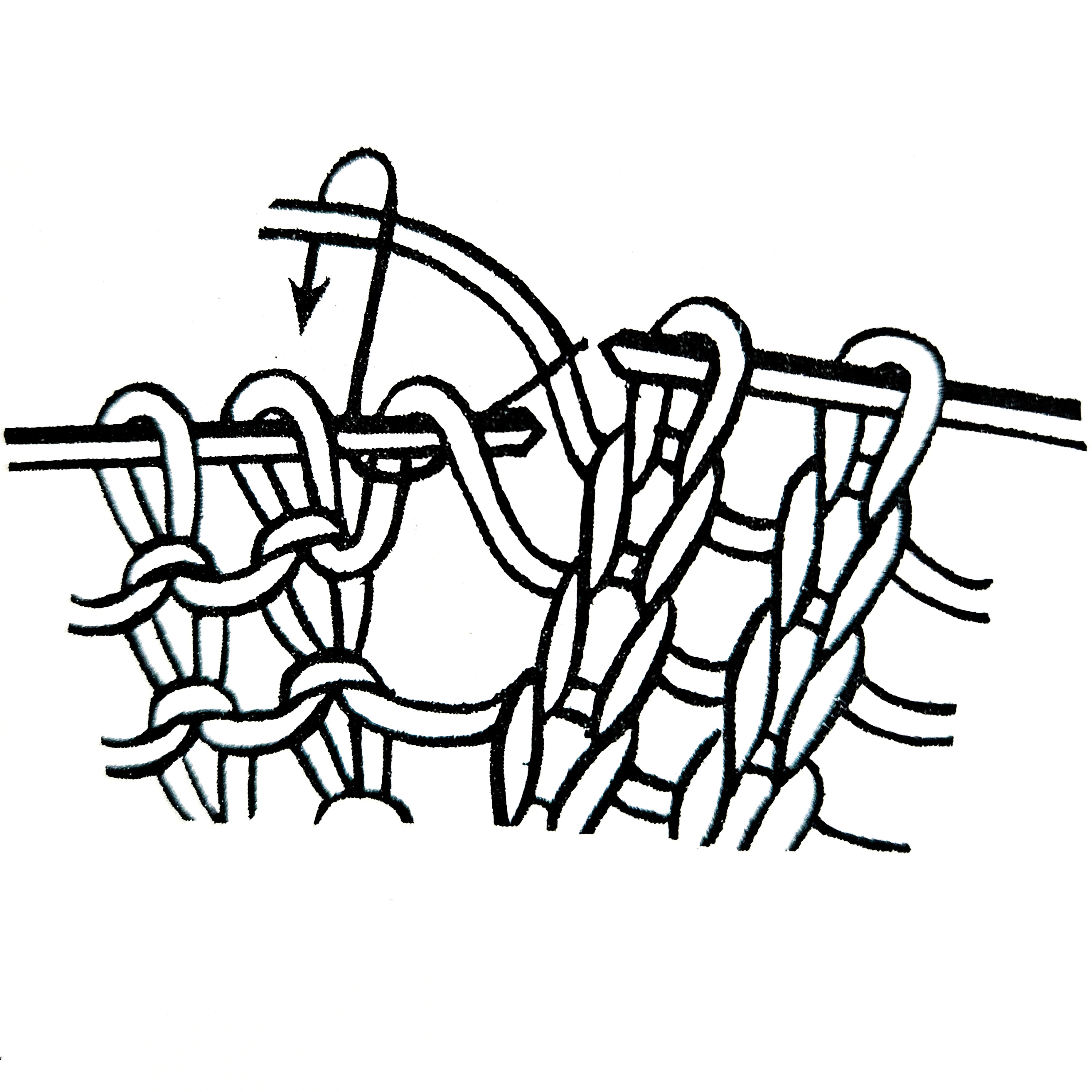
Stitch increase on the left side of the raglan “line”.
Stitch increase on the left side of the raglan “line”. With the left needle, the strand connecting the two stitches of the previous row is picked up from the opposite side and knitted through the front leg.
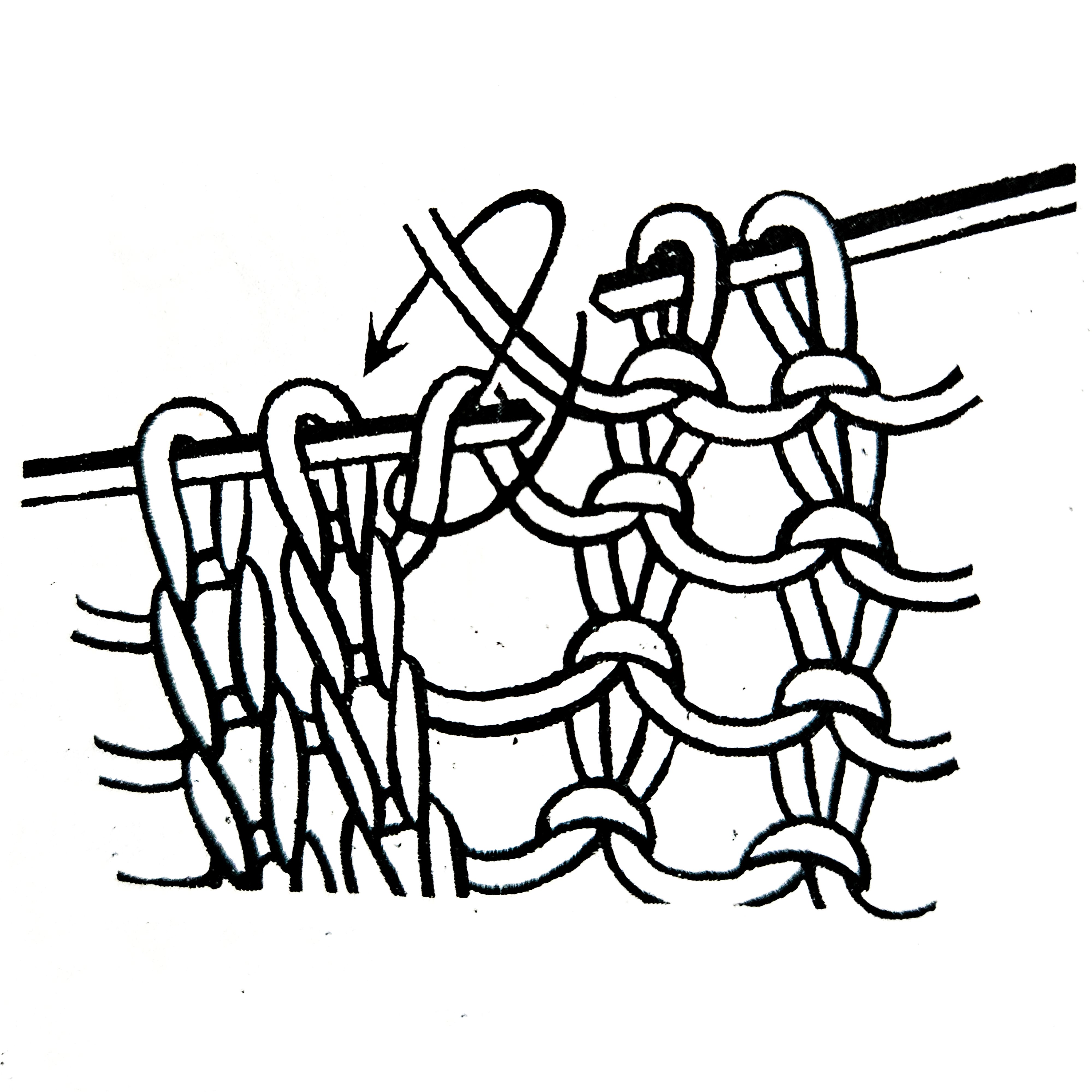
Working a buttonhole loop.
Working a buttonhole loop. 4 stitches are cast off, pulling the second knitted stitch over the first slipped stitch,
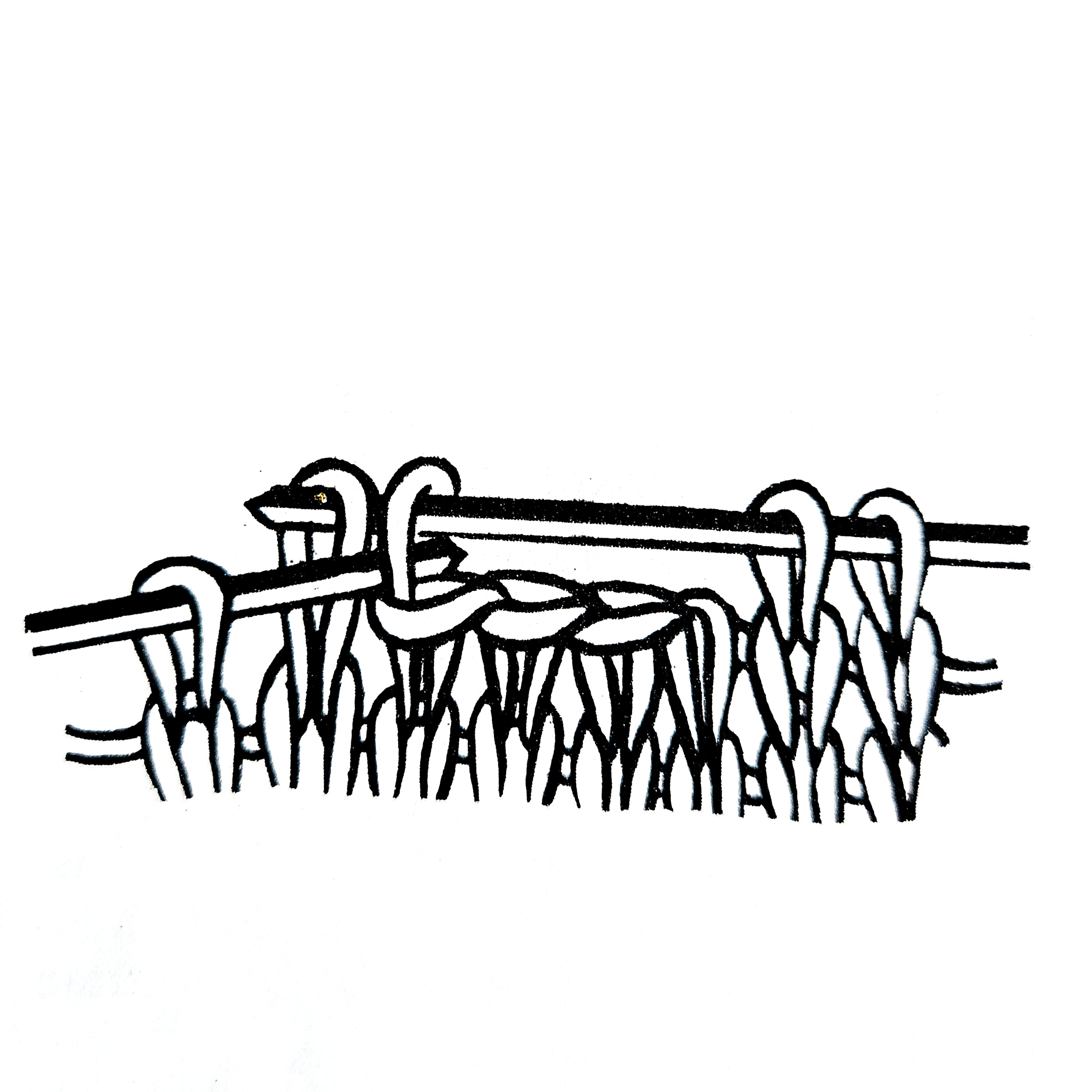
then knitting stops, and new stitches are cast on from left to right for the upper edge of the buttonhole. This is done as follows. After the stitches for the lower edge have been cast off, the working yarn is brought forward in front of the left needle. The right needle is inserted into the stitch, the yarn is wrapped over it, and a new stitch is drawn out. Again, the working yarn is brought forward, placed over the left needle, and another new stitch is drawn out. All stitches for the upper edge of the buttonhole are cast on in this way. There must be two more stitches than were cast off for the lower edge.
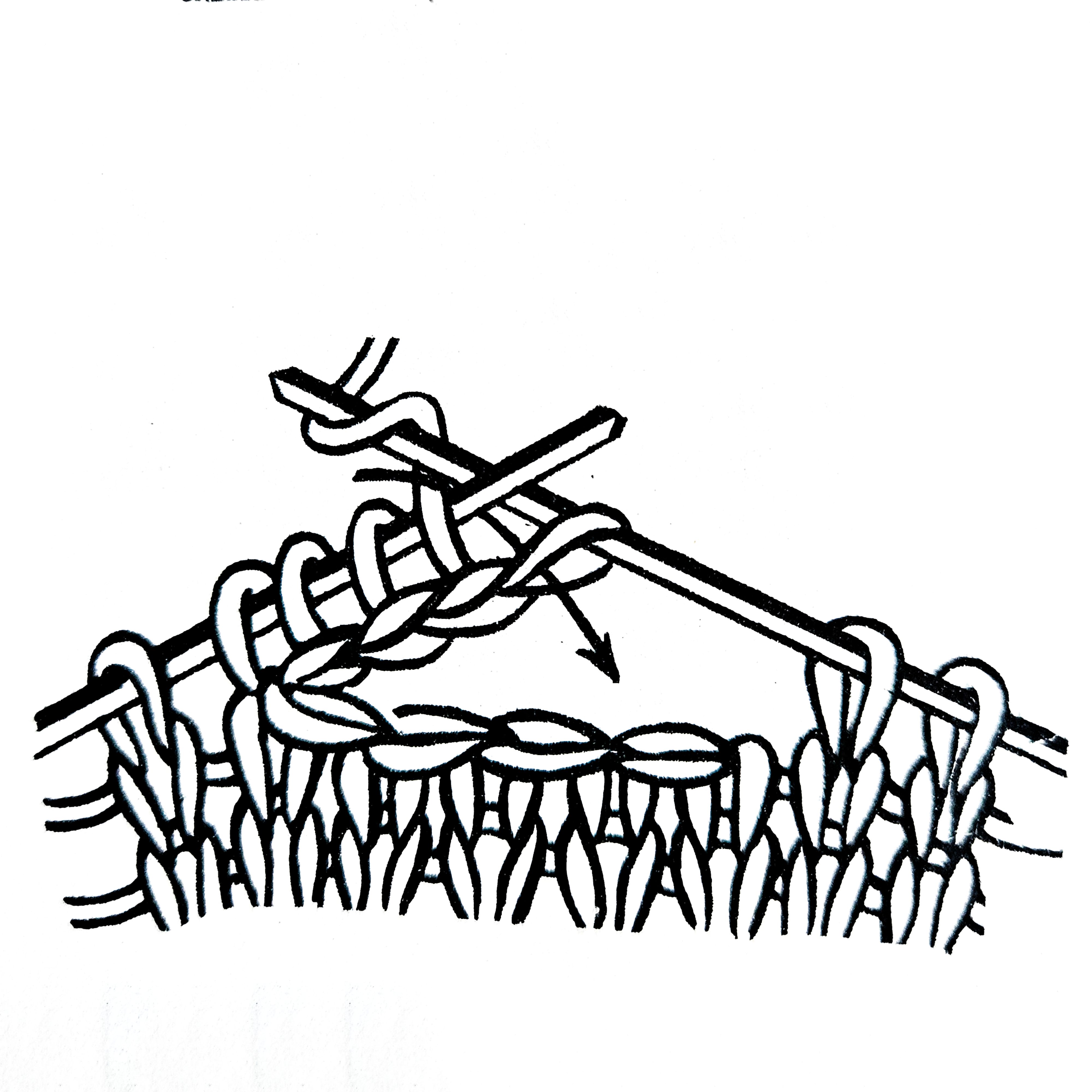
Reinforcing the right corner of the buttonhole. Reinforcing the right corner of the buttonhole. When the upper edge of the buttonhole has been knitted, the right needle is pulled out of the last knitted stitch and inserted deeply into the first cast‑off stitch of the lower edge. The last knitted stitch is caught and drawn through that stitch. Then the first stitch of the upper edge is slipped onto the right needle and pulled over the stitch preceding it. After that, 4 stitches of the upper edge are knitted, and at the left corner of the buttonhole, 2 stitches are knitted together through the front. An even neater corner is obtained if the stitches are exchanged beforehand so that the second stitch lies on top.






















-
FAQ

 .
.