Subscribe to the newsletter
SubscribeWhat is crochet?
-
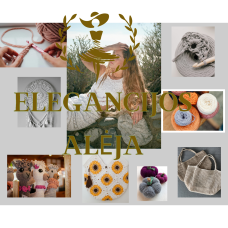
Crochet is a handicraft technique in which various items are created using a single tool – a crochet hook – by forming loops and stitches.
Unlike knitting with needles, crochet uses only one tool, which often feels simpler and more controlled for beginners.
What can you crochet?
Crochet is very versatile. Once you learn the basics, you can create:
• coasters
• scarves
• baskets
• toys (amigurumi)
• clothing
• home décor items
Crochet allows both simple and very complex patterns, making it suitable for everyone.
Why learn to crochet?
• reduces stress
• develops creativity
• gives quick results
• easy to start – only a hook and yarn needed
• practical – you can create useful items
What should a beginner know?
• crochet is a process, not a race
• hand tension may be uneven at first – this is normal
• movements become easier after 10–15 minutes of practice
• patience and consistency matter more than perfection
• everyone makes mistakes, even experienced crafters
Goal of this beginner’s guide
To help you:
• understand the basics
• learn essential stitches
• complete first exercises
• crochet your first project
• feel confident to continueTools and materials
Crochet hooks
A crochet hook is the main tool used for crochet. Hooks can be made of metal, plastic, bamboo, or wood.
They come in different sizes: the thicker the yarn, the larger the hook needed.
For beginners, a 4–5 mm hook with medium‑weight yarn is recommended.
Yarn
Yarn can be made of cotton, acrylic, wool, or blends.
Each yarn has a label indicating its thickness.
For beginners, medium‑weight (Worsted / No. 4) yarn is the easiest to work with.
Additional tools
Useful extra tools include:
• scissors
• yarn needle
• stitch markers
• measuring tape
Beginner’s recommended set
• 4–5 mm hook
• medium‑weight cotton or acrylic yarn
• a few stitch markers
• scissors
• yarn needle
Goal of this section
To help beginners understand which tools they need and how to choose them.Key symbols and abbreviations
International symbols
Crochet charts use universal symbols understood worldwide.
Each symbol represents a stitch: chain, single crochet, double crochet, etc.
Knowing these symbols allows you to read patterns from any country.Lithuanian abbreviations:
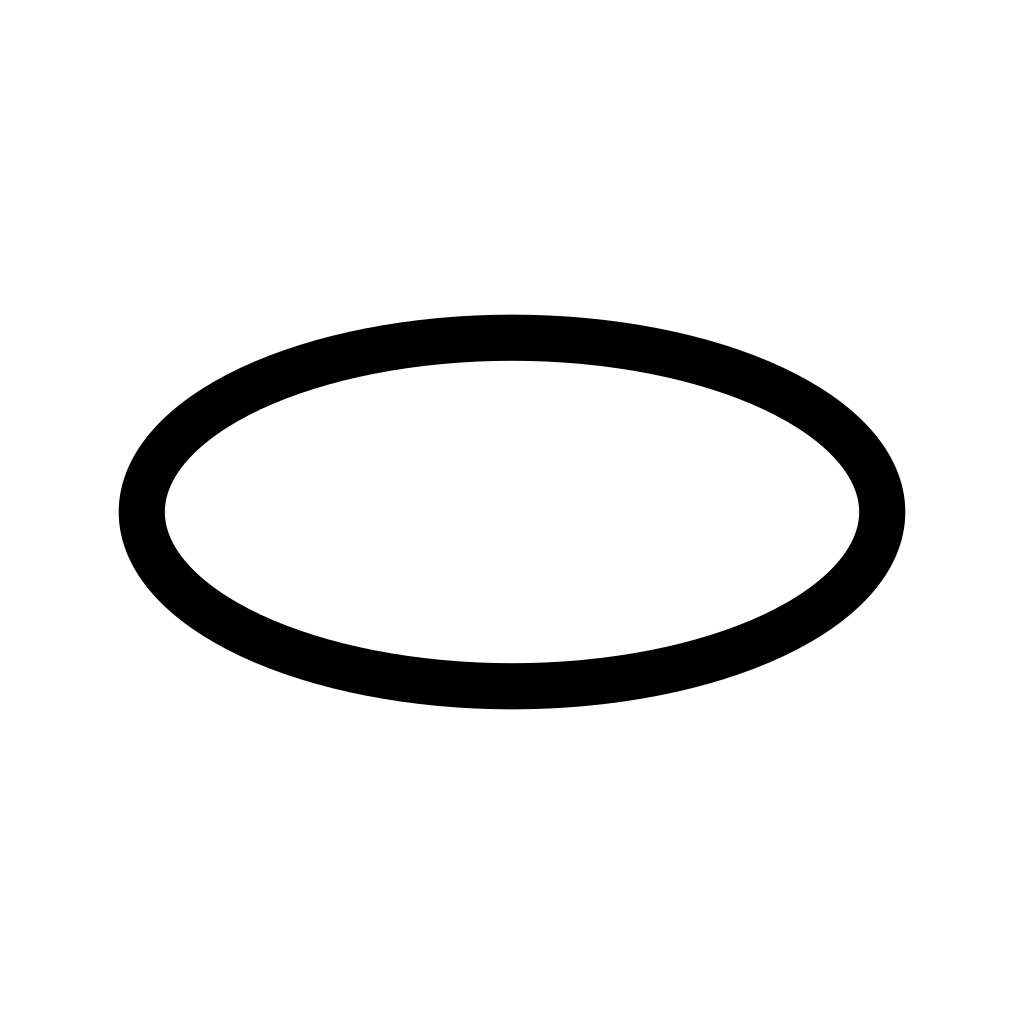
OK chain 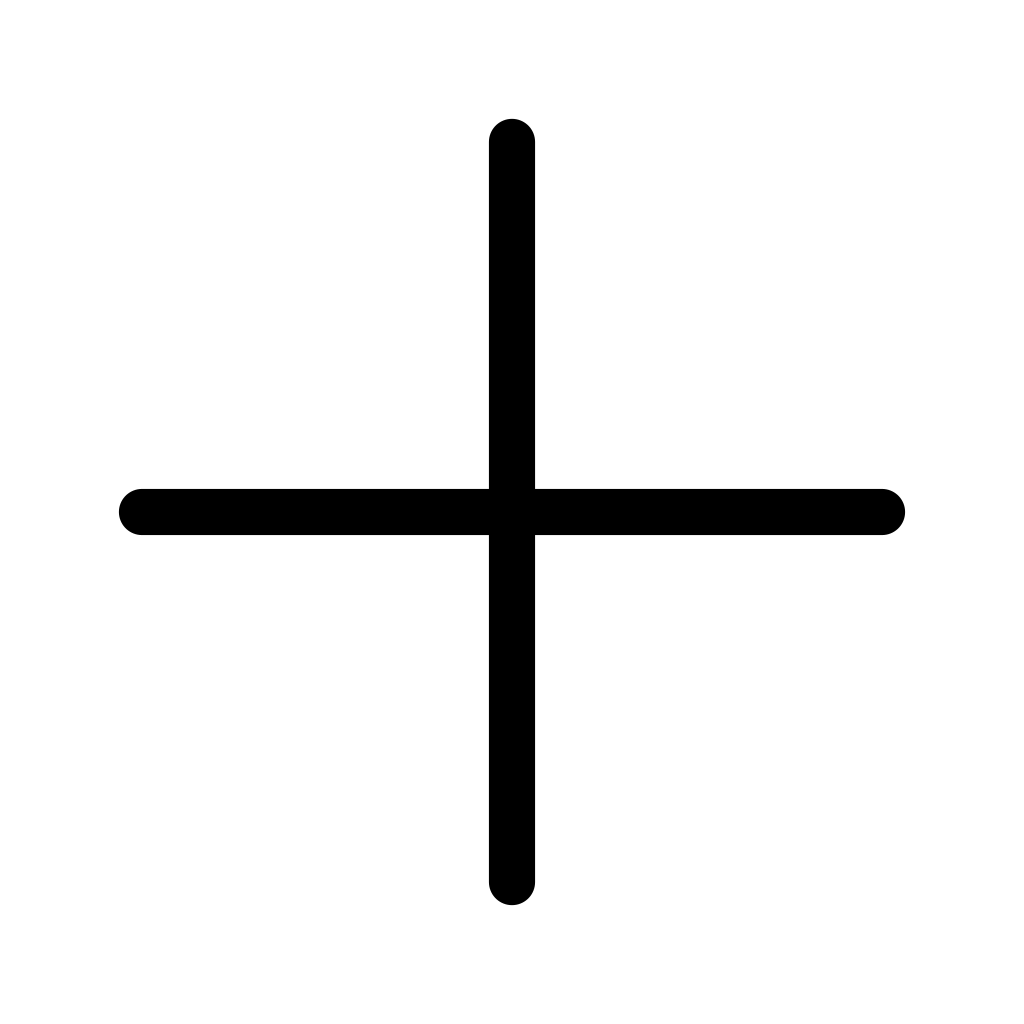
St stitch 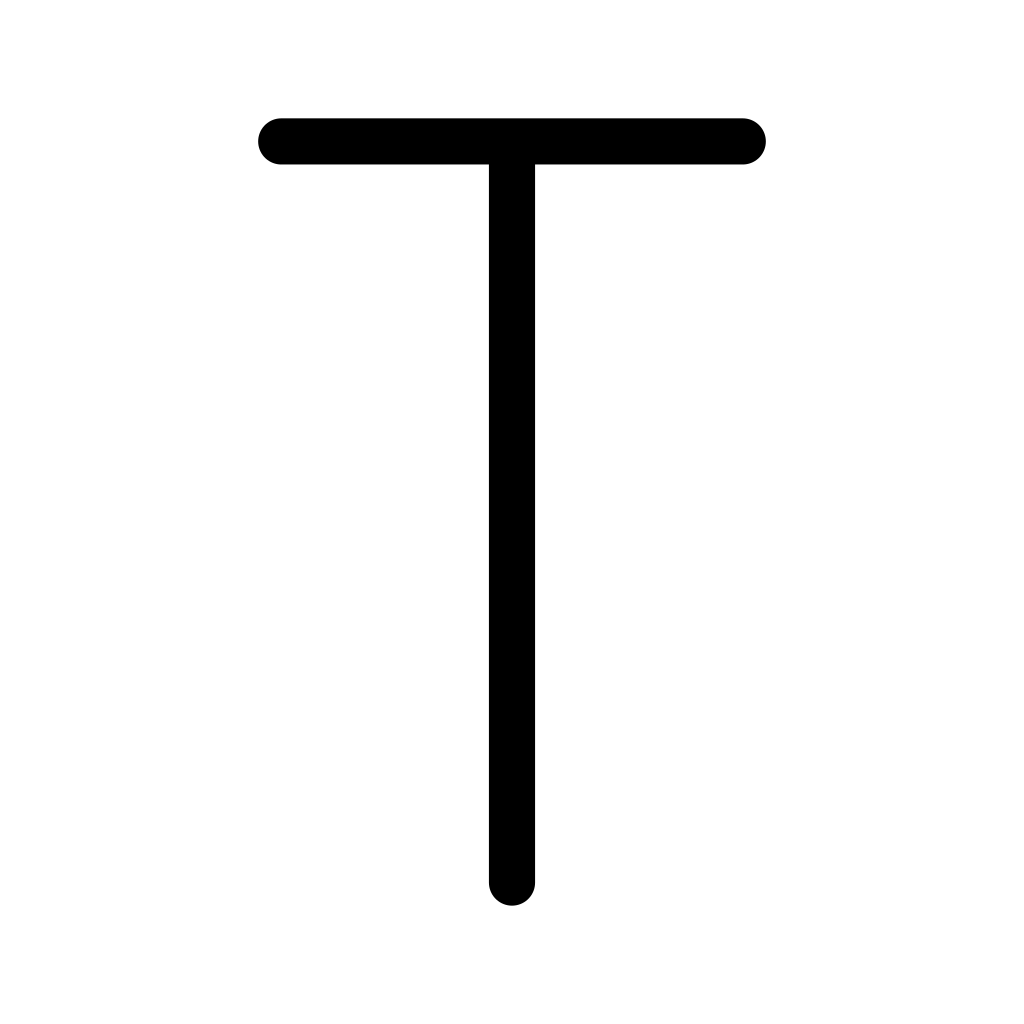
St su užm. double crochet 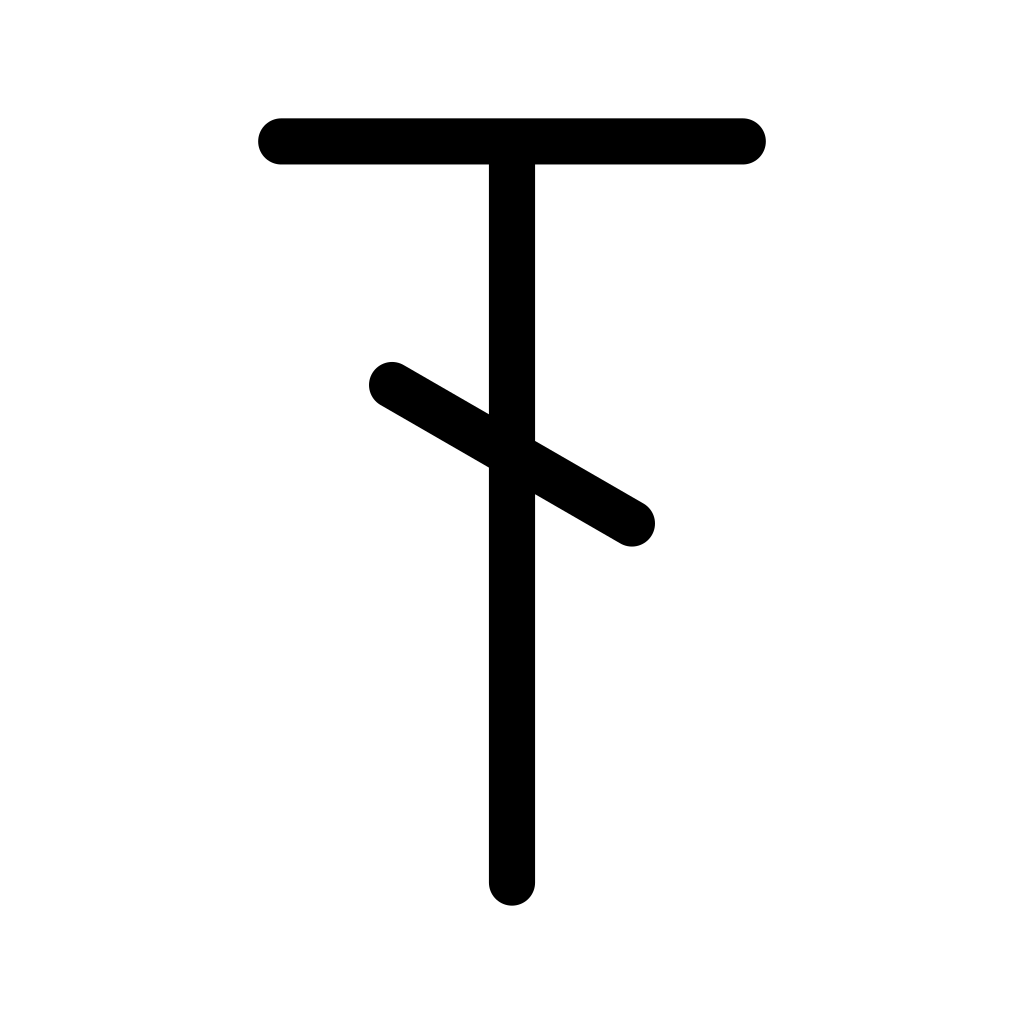
Pst half double crochet 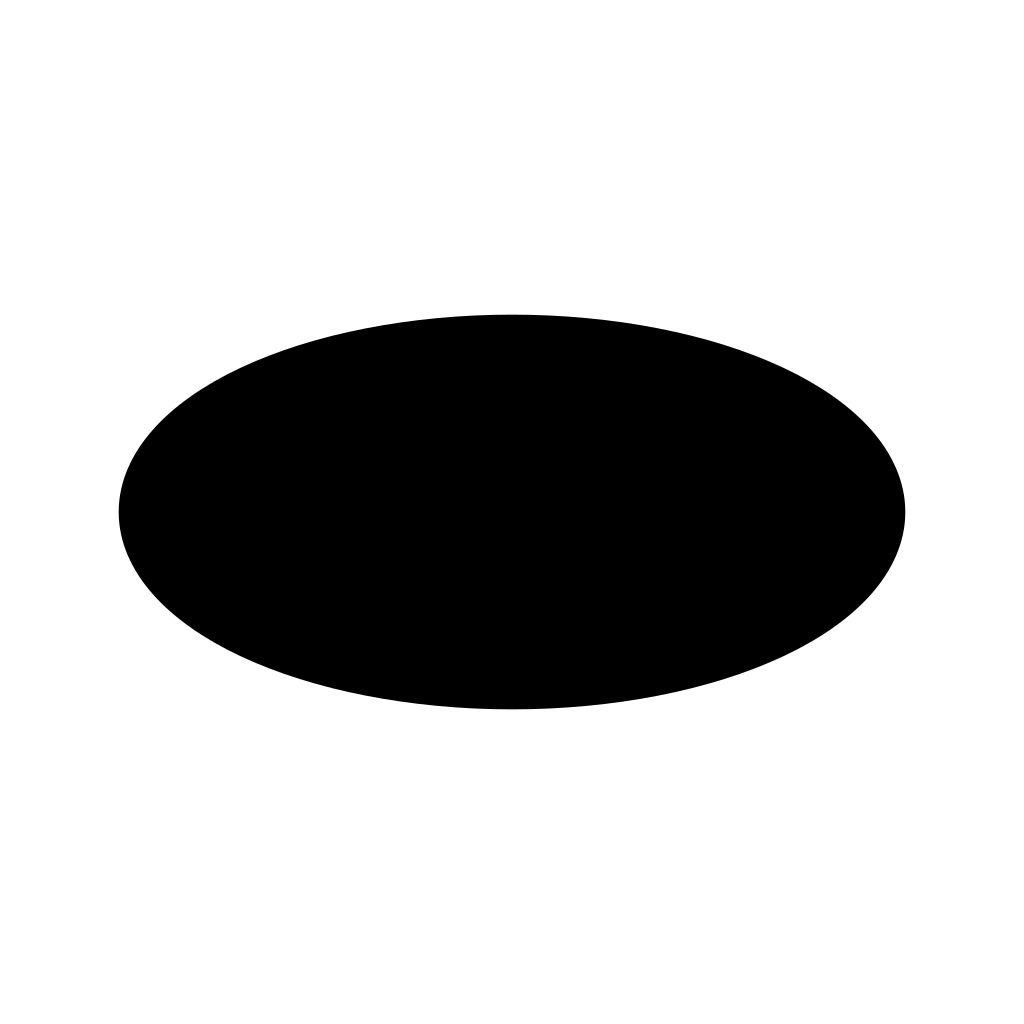
Sl slip stitch 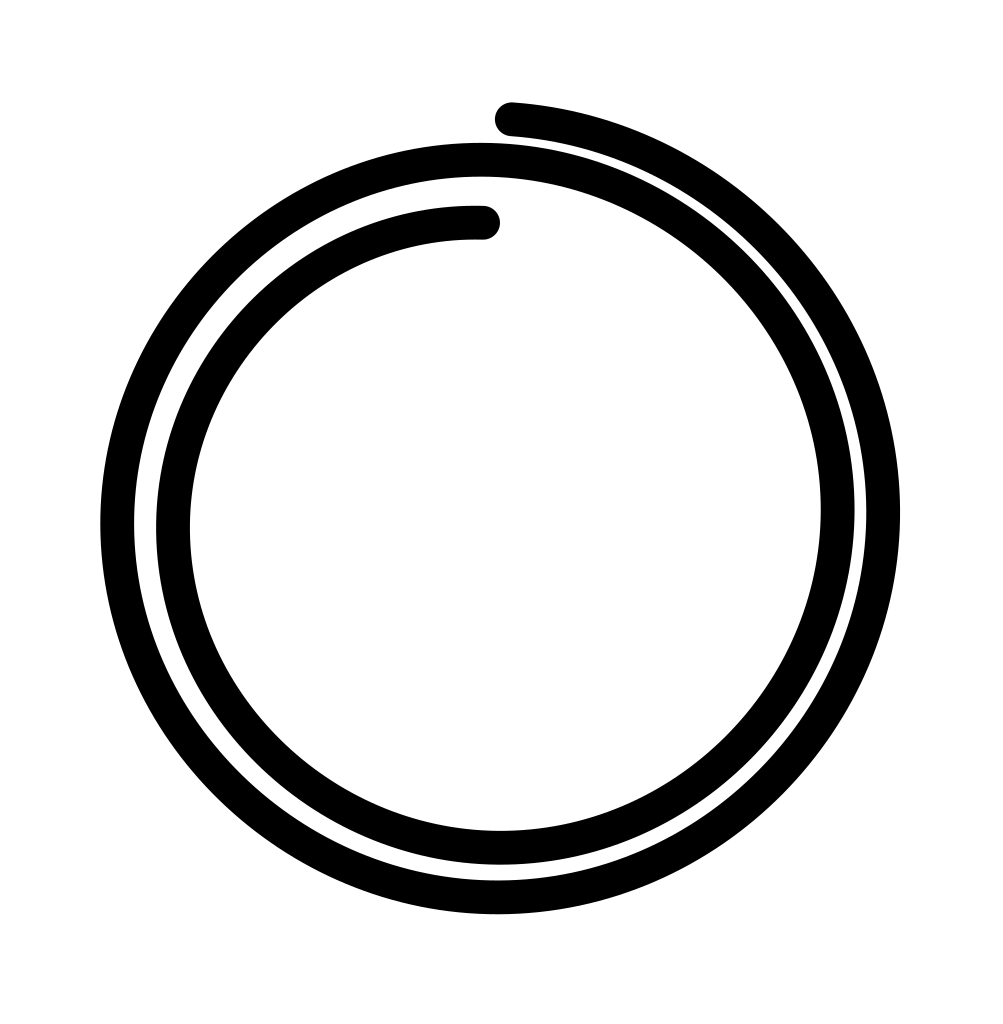
MŽ magic ring
English abbreviations (US terms)
ch chain sc single crochet hdc half double crochet dc double crochet sl st slip stitch MR magic ring How to read charts?
Crochet charts are read by following the placement of symbols:
• round patterns are read clockwise
• rows are read row by row
• each symbol represents one action
Goal of this section
To help beginners understand how to read crochet charts and recognize symbols and abbreviations.
Basic movements and posture
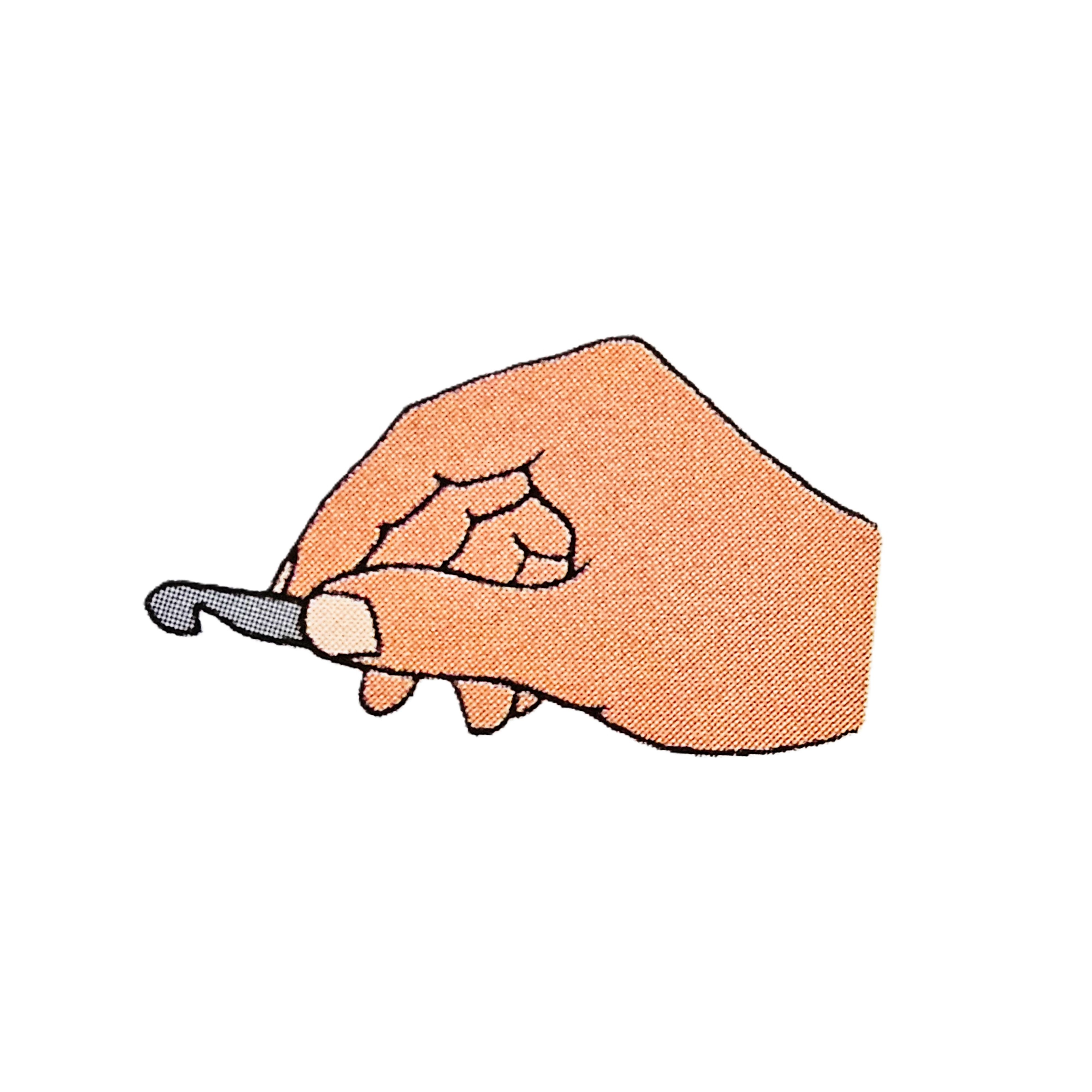
How to hold the hook?
There are two main ways to hold a crochet hook:
• Pencil grip – holding the hook like a pencil
• Knife grip – holding the hook like a knife
Both are correct. Choose the one that feels most natural.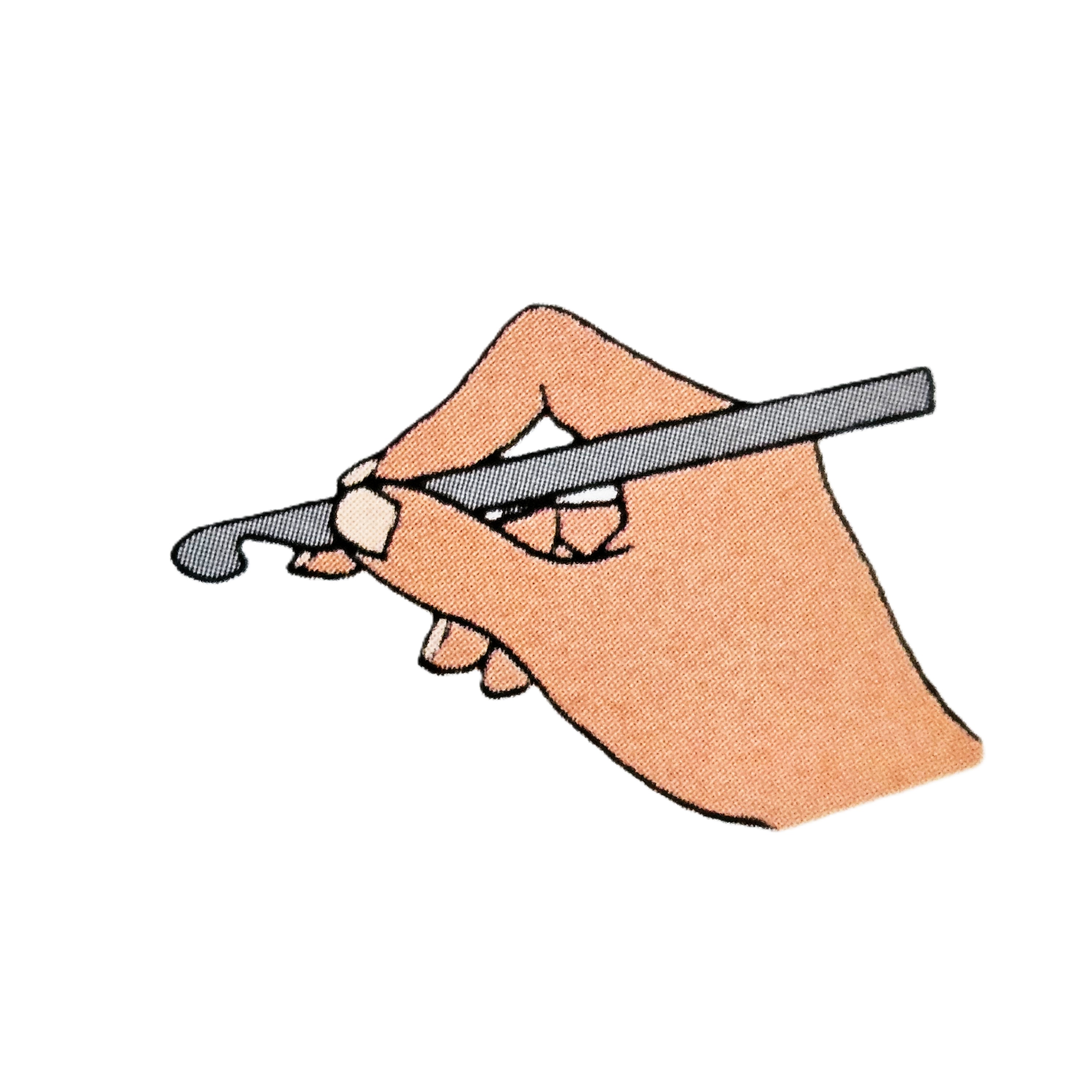
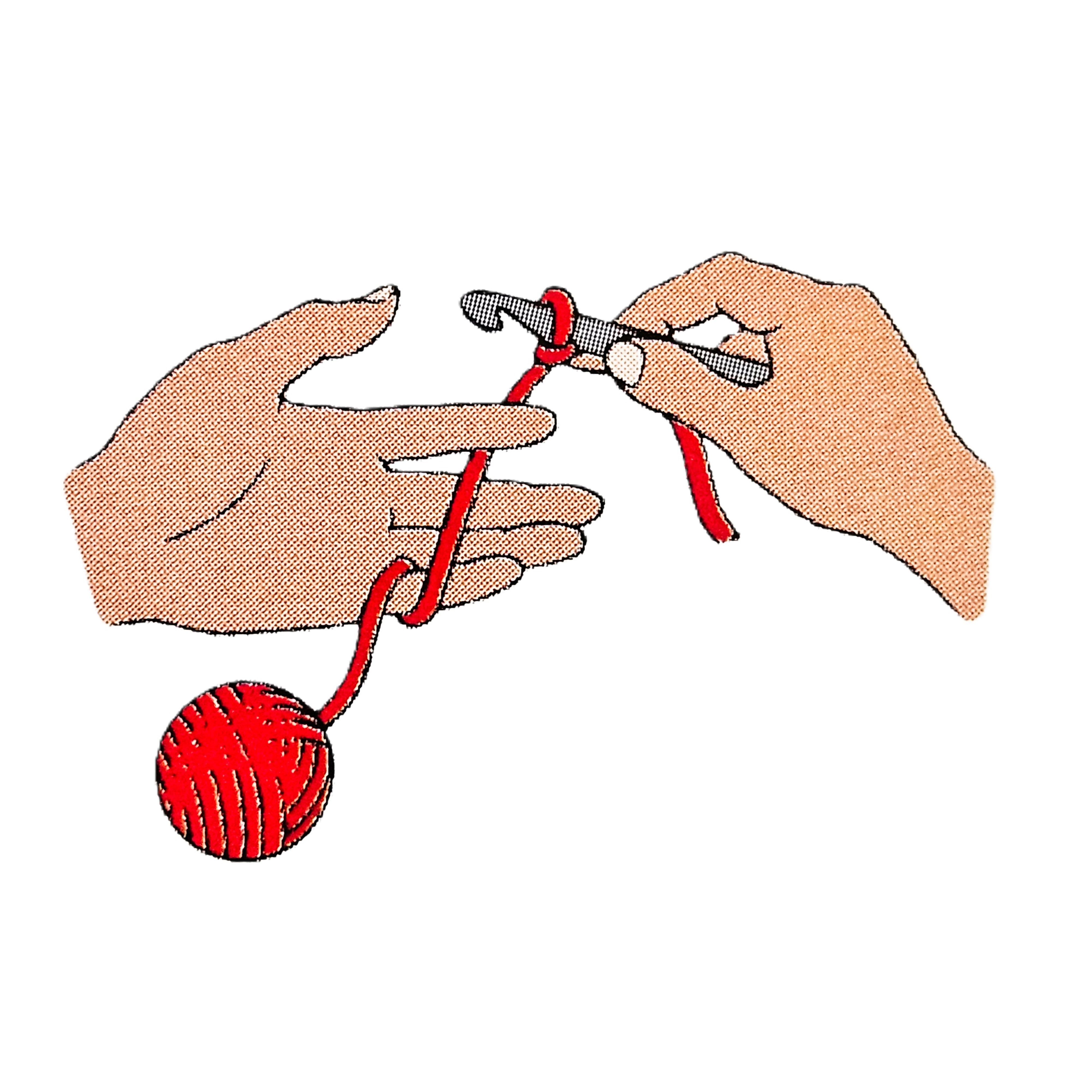
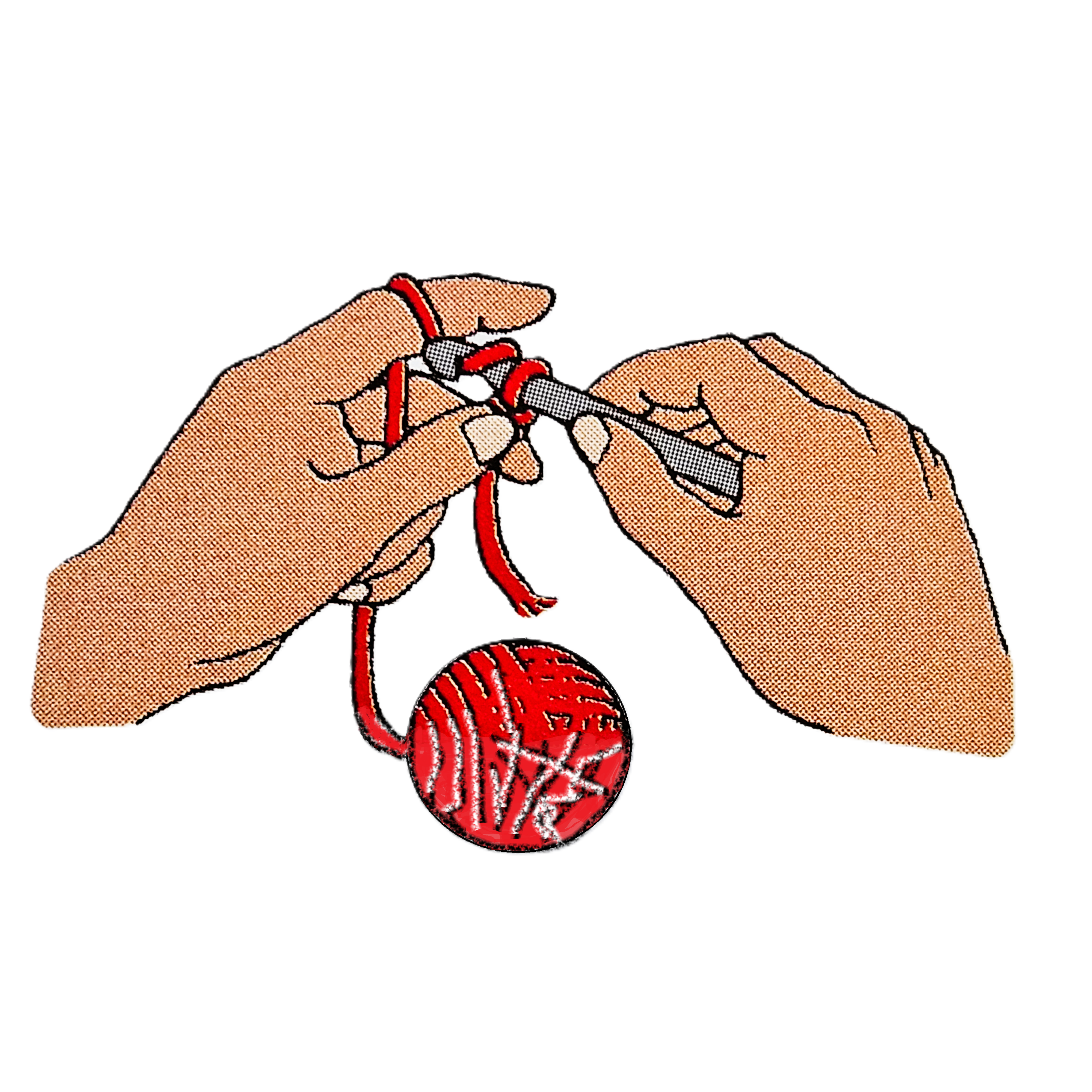
How to hold the yarn?
The yarn should be held in a way that allows easy tension control.
Usually, the yarn is wrapped around the index finger, while the other fingers help maintain steady tension.
Hand tension
Beginners often hold their hands too tightly.
It is important to:
• crochet slowly
• take breaks
• relax shoulders and wrists
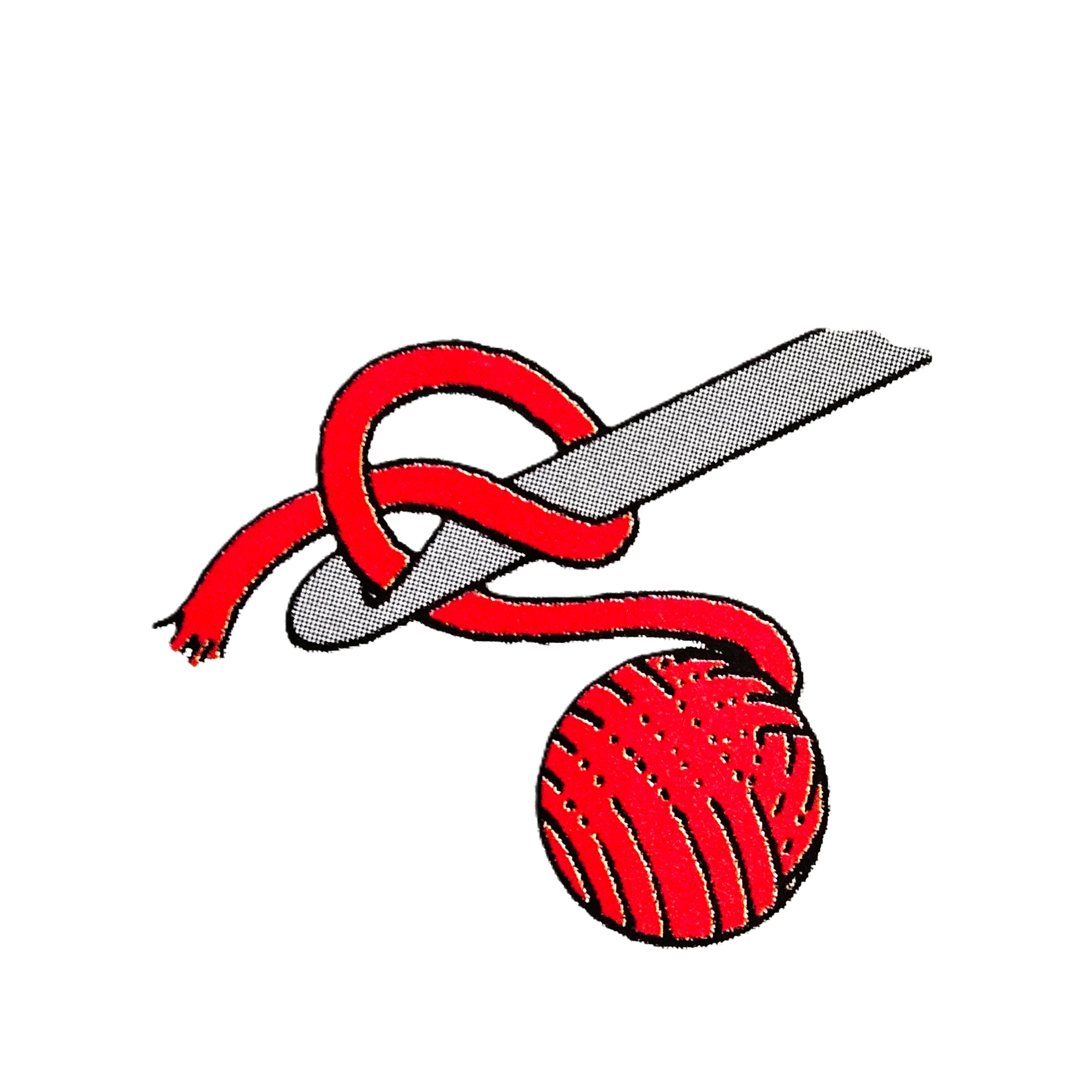
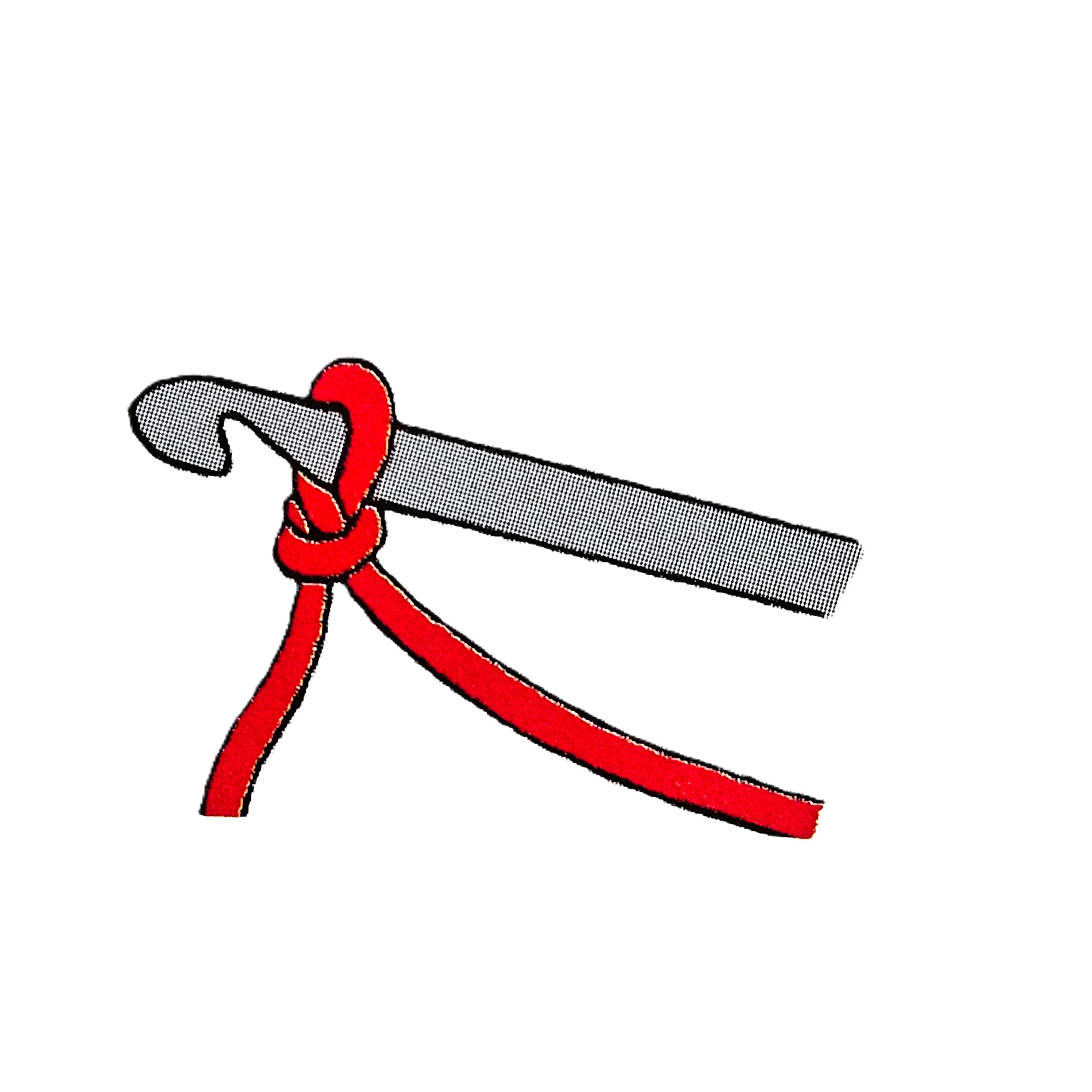
Basic movement: yarn over
Yarn over is one of the most essential crochet movements.
It is done by wrapping the yarn around the hook and pulling it through a loop.
Movement rhythm
Crochet has a natural rhythm:
• insert the hook
• yarn over
• pull through
• complete the stitchGoal of this section
To help beginners understand how to hold the hook and yarn, control tension, and perform basic movements.
First project for a beginner
Choosing the project
The first project should be simple and repetitive.
Good options include:
• a coaster
• a small square
• a straight strip
• a small doilyMaterials needed
• 4–5 mm hook
• medium‑weight yarn
• scissors
• yarn needleSteps from start to finish
1. Make the required number of chain stitches.
2. Crochet single crochet or half double crochet stitches.
3. Repeat rows until the desired size is reached.
4. Finish with a slip stitch.
5. Weave in the ends.Common mistakes
• yarn held too tightly
• uneven stitches
• missing stitches at row edges
• crocheting too fast
How to care for crocheted items?
Hand washing
Handmade items keep their shape best when washed by hand.
Use:
• lukewarm water
• gentle detergent
• slow, gentle movements
Avoid rubbing or wringing — this can deform the piece.Machine washing
If the yarn allows it, machine washing is possible, but only:
• on a gentle cycle
• inside a laundry bag
• at a low temperature (30 °C)
Always check the yarn label.Drying
Never dry crocheted items by hanging, as they may stretch out.
Recommended:
• dry horizontally
• on a towel
• avoid direct sunlightIroning
Most crocheted items should not be ironed directly.
If needed:
• use low temperature
• iron through a cloth
• do not use steam if the yarn is sensitive to heatStorage
To help items keep their shape:
• store folded, not hanging
• avoid moisture
• protect from moths (especially wool)
-
FAQ
Count the stitches at the end of the row and, if needed, add or decrease one stitch to return to the correct number.
It is best to choose medium‑weight, smooth yarn without fuzz — cotton or acrylic.
The most common reasons:
• uneven yarn tension
• lost or extra stitches
• incorrect hook size
Yes, but thick yarn may be harder to control for beginners.
The fabric should be neither too stiff nor too loose.
If unsure — try making a small swatch.
Start with simple charts, learn the meaning of symbols, and follow the row numbering.
Yes, if their thickness and elasticity are similar.
It depends on the person, but most people master the basics in a few days.
Try using a larger hook or relaxing your hands.
Choose a project that inspires you but contains only one new technique.

 .
.